Can You Put Vodka in Flower Water to Make Flowers Last Longer?
Contents:
- Why Cut Flowers Die So Quickly
- How Vodka Flower Water Actually Works
- The Right Vodka-to-Water Ratio
- Vodka vs. Other Popular Flower Hacks: How Do They Compare?
- A Simple Homemade Flower Preservative Formula
- Practical Tips for Getting the Most Out of Vodka Flower Water
- The Eco-Friendly Angle: Reducing Flower Waste
- FAQ: Vodka in Flower Water
- How much vodka do you put in flower water?
- Does vodka actually make flowers last longer?
- Can I use any type of vodka for flowers?
- Is vodka better than commercial flower food?
- How often should I change vodka flower water?
- Try It on Your Next Cutting Garden Harvest
You spent good money on that bouquet — or better yet, you cut those stems fresh from your own garden — and the last thing you want is to watch them droop two days later. The idea of adding vodka to flower water has been floating around garden circles and florist forums for years, and you’re right to wonder whether it actually works or whether it’s just a quirky old wives’ tale. Good news: there’s real science behind it, and with a little know-how, you can genuinely extend the life of your cut flowers by several days.
Why Cut Flowers Die So Quickly
Before you reach for the liquor cabinet, it helps to understand what’s actually killing your flowers. The moment you cut a stem, two things start happening fast. First, bacteria in the vase water begin multiplying and clogging the stem’s vascular tissue, blocking water uptake. Second, ethylene gas — a natural plant hormone — accelerates wilting and petal drop. A fresh-cut rose left in plain tap water can start showing stress within 24 to 48 hours because of these two forces working together.
Most commercial flower preservatives tackle both problems at once. They typically contain three ingredients: a sugar (for energy), an acidifier (to lower water pH and slow bacterial growth), and a biocide (to kill bacteria outright). Vodka steps in as that third component — the antimicrobial agent.
How Vodka Flower Water Actually Works
Ethanol, the alcohol in vodka, is a proven antimicrobial. At the right concentration, it disrupts bacterial cell membranes and slows the microbial bloom that would otherwise turn your vase water cloudy and foul within days. Cleaner water means clearer stem passages, which means your flowers can keep drawing up moisture efficiently.
There’s a catch, though. Concentration matters enormously. Too little alcohol and the bacteria shrug it off. Too much and you’ll damage the flower tissue itself — ethanol is a desiccant at high levels and will dehydrate your stems from the inside out.
The Right Vodka-to-Water Ratio
The sweet spot most horticulturalists and florists recommend is 1 teaspoon of plain vodka per quart (32 oz) of water. That works out to roughly a 0.5% ethanol solution in the vase — low enough to be gentle on the stems, high enough to slow bacterial growth meaningfully. Do not eyeball it. A splash from the bottle could easily deliver five to ten times that amount, and you’ll end up with wilted flowers faster than if you’d used plain water.
Use the cheapest unflavored, unsweetened vodka you can find. Flavored vodkas contain sugars and additives that actually feed bacterial growth — the exact opposite of what you want. A 375ml bottle of well vodka runs about $5 to $7 at most US liquor stores, and at 1 teaspoon per quart, that bottle will last you dozens of flower changes.
Vodka vs. Other Popular Flower Hacks: How Do They Compare?
The most commonly confused alternative is the penny-in-the-vase trick. The idea is that copper from the penny acts as a fungicide. It’s not entirely wrong — copper ions do have antimicrobial properties — but modern US pennies have only a thin copper plating over a zinc core, and they release nowhere near enough copper to make a measurable difference in vase water. Studies testing this method have found little to no improvement in flower longevity compared to plain water.
Another popular option is a diluted bleach solution — about ¼ teaspoon of plain household bleach per quart of water. This is actually more potent than vodka at killing bacteria and is what many professional florists use for certain flower varieties. The tradeoff: bleach can whiten or damage delicate petals if the concentration drifts even slightly. Vodka is considerably more forgiving for home use.
Aspirin is another contender. The salicylic acid in aspirin lowers water pH, which does slow bacterial growth — but it provides no sugar for the flowers and no direct antimicrobial punch. It works better as a complement than a standalone solution.
A Simple Homemade Flower Preservative Formula
For the best results, combine vodka’s antimicrobial properties with the other elements flowers actually need:
- 1 quart of lukewarm water
- 1 teaspoon plain vodka
- 1 tablespoon white sugar (flower food)
- 1 tablespoon apple cider vinegar or lemon juice (acidifier)
This DIY mix closely mimics commercial flower food packets like Floralife, which typically retail for $1 to $2 per packet. Making it yourself costs roughly $0.10 to $0.15 per quart once you have the ingredients on hand — a meaningful saving if you’re keeping flowers on a weekly rotation.
Practical Tips for Getting the Most Out of Vodka Flower Water
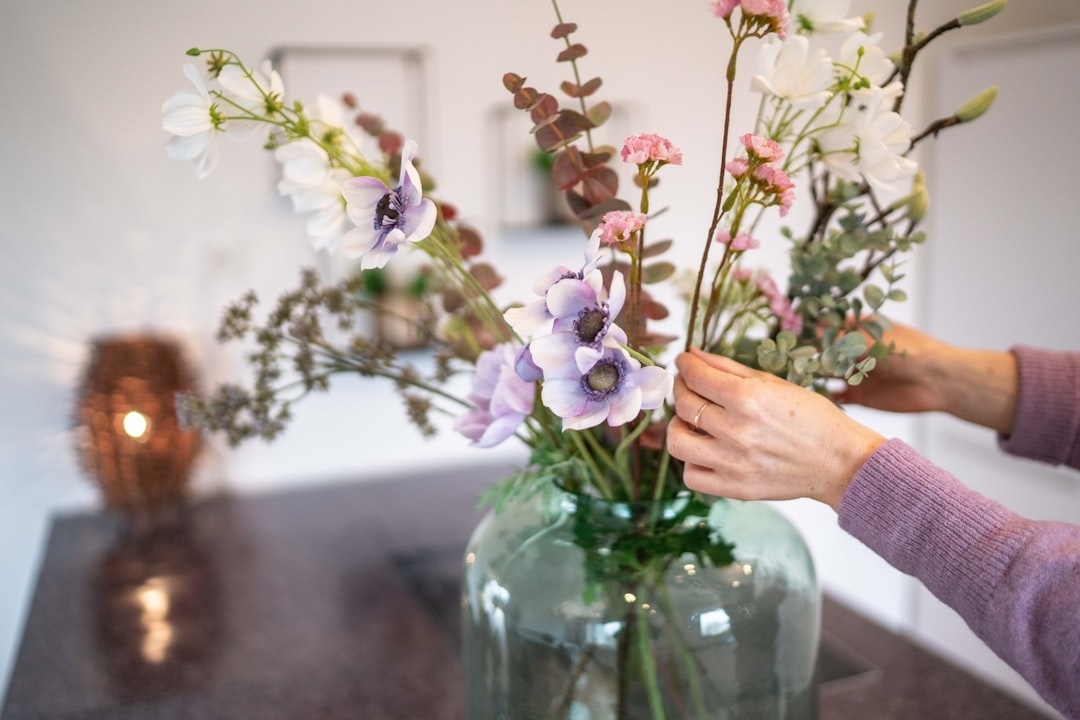
Even the best vase solution can’t compensate for poor stem prep. Recut stems at a 45-degree angle — this increases the surface area for water uptake. Remove any leaves that would sit below the waterline, since submerged foliage rots fast and turbocharges bacterial growth.
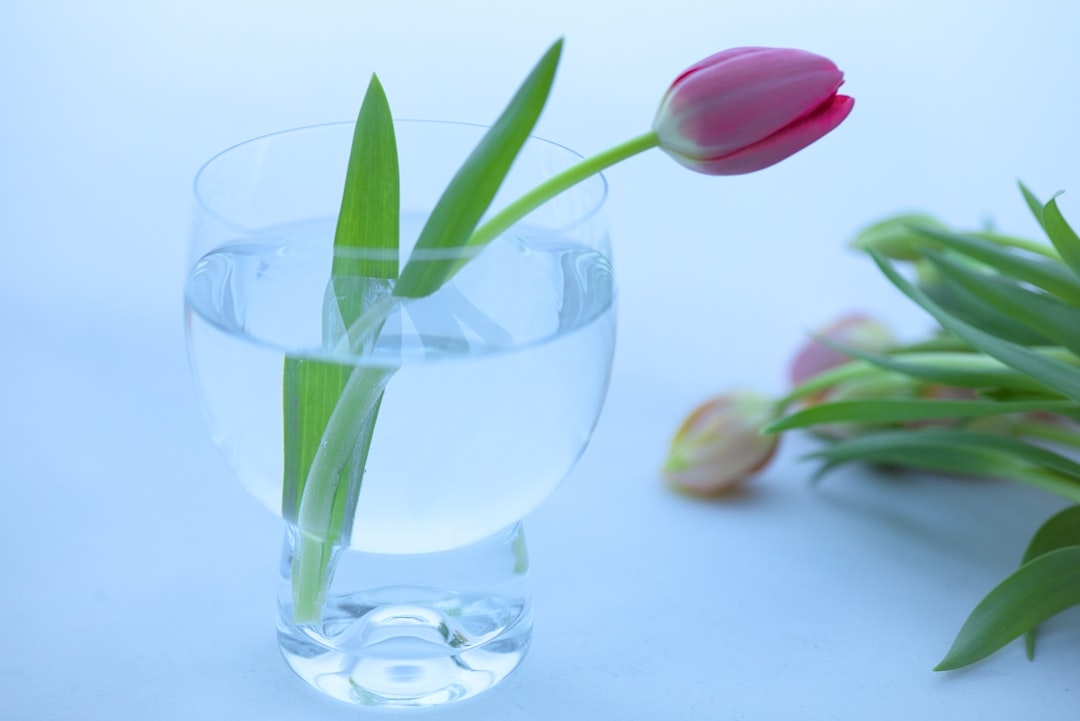
Change the vase water every two days, not just top it off. Refreshing the solution means refreshing the antimicrobial effect. Each time you change the water, recut the stems by about half an inch to open fresh uptake tissue.
Keep your arrangement away from direct sunlight, heating vents, and ripening fruit. Fruit emits ethylene gas — the same hormone that accelerates flower aging — and even a bowl of bananas on the same counter can noticeably shorten your bouquet’s life.
The Eco-Friendly Angle: Reducing Flower Waste
Cut flower production carries a real environmental footprint. The US imports roughly 80% of its cut flowers, predominantly from Colombia and Ecuador, with significant carbon costs from refrigerated air freight. Extending your flowers’ vase life from 5 days to 10 days — a realistic outcome with proper care — effectively halves the waste and the replacement purchases associated with a given display. Using a $5 bottle of vodka that lasts months, rather than buying single-use commercial preservative packets repeatedly, also reduces plastic packaging waste. Small optimizations, meaningful impact over a gardening season.
FAQ: Vodka in Flower Water
How much vodka do you put in flower water?
Use 1 teaspoon of plain vodka per quart (32 oz) of water. This creates a low-concentration antimicrobial solution that slows bacterial growth without damaging the stems.
Does vodka actually make flowers last longer?
Yes, when used at the correct dilution. Vodka’s ethanol content inhibits the bacterial growth that clogs flower stems and clouds vase water. Combined with proper stem prep and regular water changes, it can extend vase life by 3 to 5 additional days.
Can I use any type of vodka for flowers?
Use plain, unflavored, unsweetened vodka only. Flavored or infused vodkas contain sugars and additives that promote bacterial growth, which is counterproductive. The cheapest well vodka works just as well as premium brands for this purpose.
Is vodka better than commercial flower food?
Not on its own. Commercial flower food addresses three factors: bacterial control, energy supply (sugar), and pH balance. Vodka only handles the first. Your best results come from combining vodka with sugar and an acidifier like lemon juice — essentially making your own complete flower preservative.
How often should I change vodka flower water?
Every 48 hours. Bacterial populations rebound quickly in vase conditions, so refreshing the solution every two days keeps the antimicrobial effect consistent. Always recut the stems slightly when you change the water.
Try It on Your Next Cutting Garden Harvest
Your cutting garden is already ahead of most — you control the freshness from stem to vase. Next time you bring in a bundle of zinnias, dahlias, or sunflowers, mix up a quart of the DIY preservative formula above and run your own informal test: one jar with plain water, one with the vodka solution. Give it five days and you’ll see the difference yourself. Once you have the ratio dialed in, it becomes second nature — just a quick measure before you arrange, and your flowers reward you with an extra week of color.