How to Make a Flower Crown: A Complete DIY Guide for Beginners
Contents:
- Why Flower Crowns Are Worth Making Yourself
- What You Need Before You Start
- Essential Supplies
- Budget-Friendly Flower Sources
- How to Make a Flower Crown DIY: Step-by-Step
- Step 1: Build the Base
- Step 2: Prepare Your Flowers
- Step 3: Attach the Flowers with Floral Tape
- Step 4: Fill Any Gaps
- Step 5: Final Shaping
- Fresh vs. Dried Flower Crowns: Which Should You Make?
- Flower Crown Styles and How to Achieve Them
- The Boho Garden Crown
- The Minimalist Half Crown
- The Festival Crown
- Practical Tips for a Crown That Lasts All Day
- Frequently Asked Questions
- How long does it take to make a flower crown?
- What flowers are best for a DIY flower crown?
- How do you make a flower crown stay on your head?
- Can you make a flower crown the night before?
- How much does it cost to make a flower crown DIY?
- Ready to Make Your Crown?
You don’t need a florist’s training or a triple-digit budget to wear a flower crown that stops people in their tracks. With about $15 worth of supplies and an hour of your time, you can make a flower crown DIY that looks like it came straight from a bohemian wedding shoot. Here’s everything you need to know to pull it off.
Why Flower Crowns Are Worth Making Yourself
Pre-made flower crowns from event florists typically run $45–$120, and that’s before delivery. Fresh flower crowns ordered for weddings can hit $200 or more. Making your own costs a fraction of that — and you get exactly the colors and flowers you want.
Dried and silk flower crowns last indefinitely, which means you can wear yours to a festival this summer and pull it out again next year. Fresh flower crowns are more ephemeral, but they photograph beautifully and smell incredible. Both are worth knowing how to make.
What You Need Before You Start
Essential Supplies
- Floral wire: 22-gauge green floral wire works best for the base. You’ll need about 2–3 lengths of 18 inches each.
- Floral tape: The stretchy green kind, not regular tape. It bonds to itself when stretched.
- Wire cutters or sturdy scissors
- Flowers: Fresh, dried, or silk — your choice
- Greenery: Eucalyptus, fern fronds, or ivy add body and fill gaps cheaply
- Hot glue gun (optional): Useful for silk or dried flowers; not needed for fresh
Budget-Friendly Flower Sources
Trader Joe’s and Whole Foods sell bouquets for $6–$12 that contain more than enough flowers for one crown. Farmers markets are even better — you can often buy individual stems or mixed bundles for $5–$8. If you have a garden, roses, zinnias, chamomile, and lavender all work beautifully and cost nothing extra.
For dried flowers, craft stores like Michaels frequently run 40–50% off sales on their floral section. Stock up when those sales hit.
How to Make a Flower Crown DIY: Step-by-Step
Step 1: Build the Base
Measure a piece of 22-gauge wire around your head, leaving about 2 inches of overlap. Twist the ends together to form a circle. For extra durability, twist a second wire alongside the first — this creates a sturdier foundation that won’t bend out of shape when you’re attaching flowers.
Your finished base should sit comfortably about one finger-width above your ears. If it’s too tight, it’ll give you a headache. Too loose and it’ll slip forward all night.
Step 2: Prepare Your Flowers
Cut stems to about 2–3 inches long. Remove any leaves that would sit right against the wire — they’ll brown faster and look messy. Group your flowers loosely into small bundles: one focal flower (like a rose or dahlia) plus 2–3 smaller accent flowers and a sprig of greenery. Each bundle will become one “unit” on your crown.
Aim for 8–12 bundles depending on how full you want the crown. A loose, garden-style crown needs around 8; a lush, packed crown needs 12 or more.
Step 3: Attach the Flowers with Floral Tape
Hold your first bundle against the wire base and wrap floral tape around the stems tightly, pulling slightly as you go — the stretch activates the tape’s adhesive. Overlap each wrap by about half to keep it secure. Continue adding bundles, always pointing them in the same direction and slightly overlapping the stems of the previous bundle. This creates that layered, seamless look.
Work all the way around until you reach your starting point. Tuck the last bundle’s stems under the first bundle’s flowers to close the circle naturally.
Step 4: Fill Any Gaps
Hold the crown up and rotate it slowly. Any gaps or bare wire patches? Snip small pieces of greenery and tuck them in, securing with a small piece of floral tape or a dot of hot glue. A few sprigs of baby’s breath or small filler flowers work perfectly here.
Step 5: Final Shaping
Gently curve the crown with your hands to match your head shape. For fresh flower crowns, mist lightly with water and store in the fridge (wrapped loosely in a damp paper towel inside a plastic bag) until you’re ready to wear it. This keeps everything fresh for up to 24 hours.
Professional floral designers always condition their flowers first. For fresh crowns, cut stems at a 45-degree angle and let them sit in cool water for at least 2 hours before you start. This hydrates the stems fully and gives you an extra 6–8 hours of wear time. Skipping this step is the number one reason DIY crowns wilt faster than expected.
Fresh vs. Dried Flower Crowns: Which Should You Make?
A lot of first-timers assume fresh and dried flower crowns are interchangeable. They’re not — and choosing the wrong one for your occasion is a common mistake.
Fresh flower crowns are ideal for single-day events: weddings, photoshoots, festivals, graduations. They’re soft, fragrant, and look utterly natural. The downside is that they need to be made within 24 hours of wearing and won’t survive heat above 75°F for long stretches.
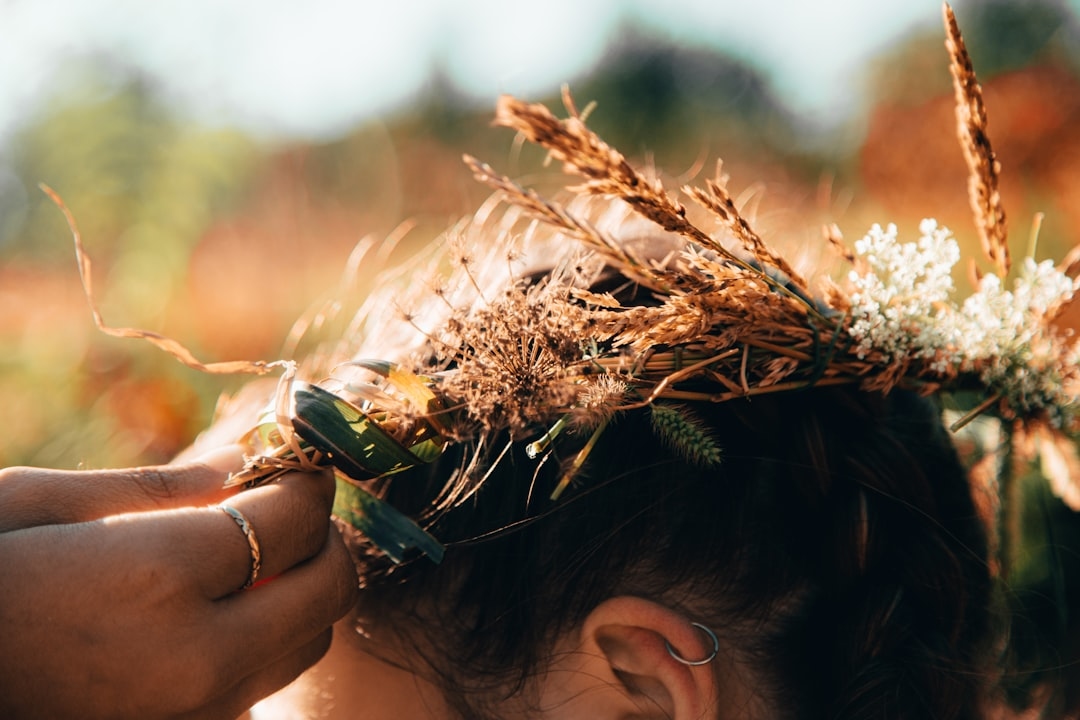
Dried flower crowns are the better choice if you want something reusable, you’re making it days in advance, or you’re in a warm climate. Dried lavender, strawflower, and pampas grass hold their color and shape for months. They don’t need water or refrigeration and are actually easier for beginners to work with since there’s no time pressure.
Silk flower crowns land somewhere in between — fully reusable and weather-proof, but they require a more critical eye when shopping since cheap silk flowers look obviously fake up close. Spend at least $1.50–$2 per stem for silk flowers that photograph well.
Flower Crown Styles and How to Achieve Them
The Boho Garden Crown
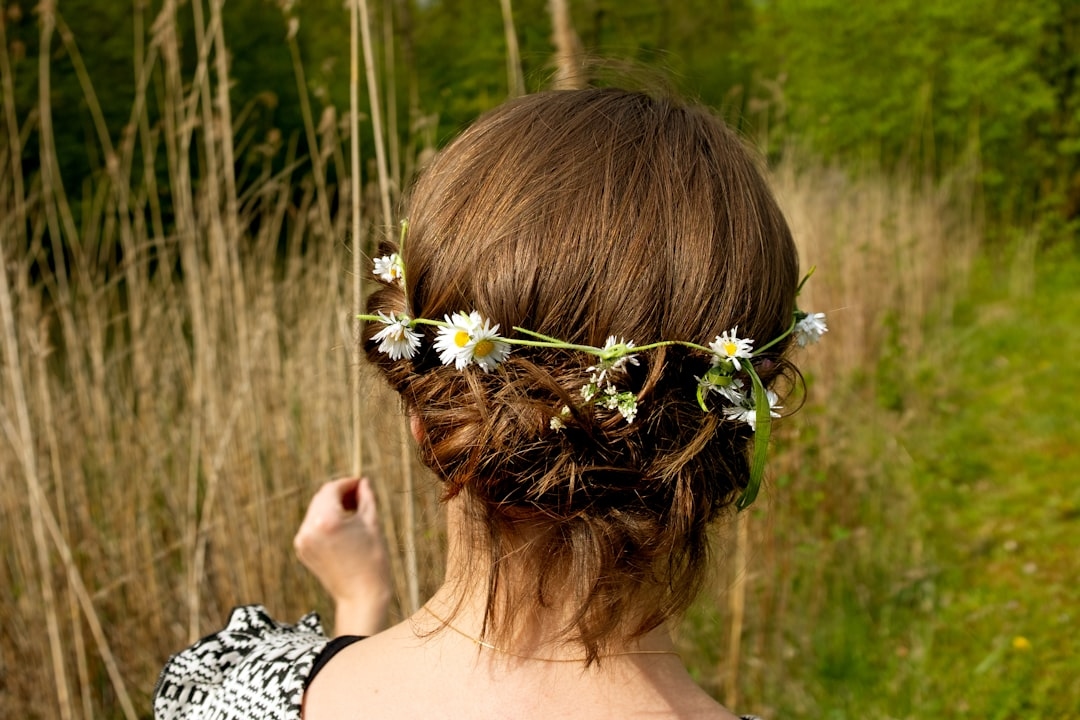
Use wildflower-style blooms: cosmos, chamomile, ranunculus, and lots of trailing greenery. Vary your stem lengths slightly for an organic, just-picked look. Stick to a palette of 3–4 colors max — white, blush, green, and one bold accent color is a reliable combination.
The Minimalist Half Crown
Instead of a full circle, create a half-crown that sits across the top and sides of the head. Use 4–6 larger blooms spaced intentionally rather than packed tightly. This style works beautifully with larger flowers like peonies or garden roses and requires fewer stems — great for keeping costs down.
The Festival Crown
Go big and layered. Use at least two sizes of flowers — large focal blooms plus small fillers — and incorporate texture with things like berries, seed pods, or feathers. Bright, saturated colors photograph best under outdoor light.
Reader story: A bride named Cassie made flower crowns for her entire wedding party of six using flowers from Costco and stems from her mother’s garden. Total cost: $38. She prepped the wire bases the night before, stored them in a bag, then assembled the crowns the morning of the wedding in about 90 minutes with two helpers. The photos were stunning — guests assumed they’d been professionally made.
Practical Tips for a Crown That Lasts All Day
- Avoid roses in peak summer heat — they wilt faster than any other common bloom. Choose hardier options like zinnias, carnations, or chrysanthemums for outdoor events above 80°F.
- Use floral sealant spray (about $8 at craft stores) on dried or silk crowns to protect color from UV fading.
- Add a small piece of ribbon or elastic at the back of the crown to give it adjustability — especially useful if you’re making crowns for multiple people with different head sizes.
- Keep fresh crowns out of direct sunlight until the moment you wear them. Even 20 minutes in a hot car can wilt a fresh crown significantly.
- For thick hair, weave the crown into a low bun or braid rather than resting it on loose hair. It’ll stay put much better.
Frequently Asked Questions
How long does it take to make a flower crown?
Most beginners finish their first flower crown in 45–60 minutes. Once you’re comfortable with the technique, you can make one in 20–30 minutes. Having your flowers pre-cut and organized into bundles before you start cuts the total time significantly.
What flowers are best for a DIY flower crown?
The best flowers for a DIY flower crown are those with sturdy stems and good water retention: roses, zinnias, carnations, ranunculus, chrysanthemums, and chamomile. For dried crowns, lavender, strawflower, statice, and pampas grass are top choices. Avoid flowers with very heavy heads (like sunflowers) unless you’re using a strong wire base.
How do you make a flower crown stay on your head?
Size your wire base correctly — it should sit snugly without pinching. For extra hold, use bobby pins to anchor the crown to your hair at 2–3 points. A small loop of elastic twisted into the back of the crown also helps it adapt to different head sizes and hair textures.
Can you make a flower crown the night before?
Yes, for fresh flower crowns, you can make them the night before as long as you store them properly. Wrap loosely in a damp paper towel, place in a plastic bag, and refrigerate. Keep the fridge temperature between 34–38°F and away from fruits, which release ethylene gas that causes flowers to age faster.
How much does it cost to make a flower crown DIY?
A fresh flower crown typically costs $10–$20 in materials when using grocery store or farmers market flowers. Dried flower crowns run $8–$15 using craft store flowers. Silk flower crowns have a higher upfront cost of $20–$35 but are fully reusable, making them the most economical choice long-term.
Ready to Make Your Crown?
Start with a small half-crown using 5–6 flowers — it’s faster, uses fewer supplies, and gives you a chance to get comfortable with the floral tape technique before committing to a full wreath. Once you’ve made one, you’ll wonder why you ever paid someone else to do it. Grab some wire, hit your local farmers market this weekend, and see what you come up with.