How to Keep Flowers Alive in Hot Weather: A Florist’s Complete Guide
Contents:
- Why Heat Destroys Flowers Faster Than You Think
- Best Practices for Keeping Cut Flowers Fresh in Summer Heat
- Start With a Clean, Cold Vase
- Re-Cut Stems Every 24–48 Hours
- Keep Flowers Away From Heat Sources
- Regional Considerations: Hot Weather Flower Care Across the US
- Garden Flowers: Protecting Blooms Still in the Ground
- Water Deeply, Not Frequently
- Time Your Watering Right
- Use Shade Cloth Strategically
- Common Mistakes to Avoid
- The Best Heat-Tolerant Flowers for Summer Gardens
- Keeping Flowers Fresh for Events in Summer Heat
- Frequently Asked Questions
- How long can cut flowers survive in hot weather?
- Does putting flowers in the refrigerator overnight help?
- What is the best water temperature for flower vases in summer?
- How often should I water garden flowers during a heat wave?
- Which cut flowers last longest in summer heat?
- Make This Summer Your Best Flower Season Yet
Have you ever watched a gorgeous bouquet wilt within hours on a summer afternoon, wondering what went wrong? Heat is the silent enemy of fresh flowers — and once a bloom starts drooping, most people have already lost the battle. The good news? Keeping flowers alive in hot weather is absolutely achievable with the right knowledge, and it doesn’t require fancy equipment or a climate-controlled greenhouse.
Summer flower care is one of those skills that separates a good gardener from a truly great one. Whether you’re growing dahlias in your backyard, arranging cut flowers for a wedding, or simply trying to keep that farmers market bouquet looking fresh through a heat wave, the principles are the same. Heat accelerates everything — water loss, bacterial growth, petal aging. Understanding that is the first step to fighting back.
Why Heat Destroys Flowers Faster Than You Think
Flowers are mostly water — up to 90% in some species. When temperatures climb above 85°F, transpiration (the process by which plants release water vapor) kicks into overdrive. A cut rose sitting in a vase at 90°F can lose moisture up to three times faster than one kept at 65°F. That’s not a gradual decline; that’s an afternoon problem.
For garden flowers still in the ground, the stress is slightly different. Root systems can struggle to draw moisture fast enough to compensate for what the leaves and petals are releasing. Add direct afternoon sun into the mix and you’ve got a recipe for scorched edges, dropped petals, and collapsed stems before the day is out.
Heat also accelerates ethylene production — the gas responsible for ripening and aging in plants. Cut flowers exposed to high temperatures age days faster than their potential, which is why florists work in 34–38°F coolers. You’re not just fighting the sun; you’re fighting chemistry.
Best Practices for Keeping Cut Flowers Fresh in Summer Heat
Start With a Clean, Cold Vase
Before anything goes in, wash your vase with a 10% bleach solution and rinse thoroughly. Bacteria are the number one killer of cut flowers in warm conditions, and they multiply explosively in heat. Cold water in the vase — around 50°F — slows bacterial activity and keeps stems hydrated more efficiently. Add a commercial flower preservative packet (the kind florists include with bouquets), which contains sugar for energy, acidifier to help uptake, and a biocide. Studies show flowers last 60–70% longer with preservative than with plain water.
Re-Cut Stems Every 24–48 Hours
This one gets skipped constantly, and it makes a massive difference. Stem ends seal over within hours of being cut, blocking water uptake just when the flower needs it most. Use sharp scissors or a floral knife to make a 45-degree cut, removing at least half an inch. Do this under running water or while submerged to prevent air bubbles from entering the vascular tissue. In summer heat, doing this daily rather than every other day can extend vase life by several days.
Keep Flowers Away From Heat Sources
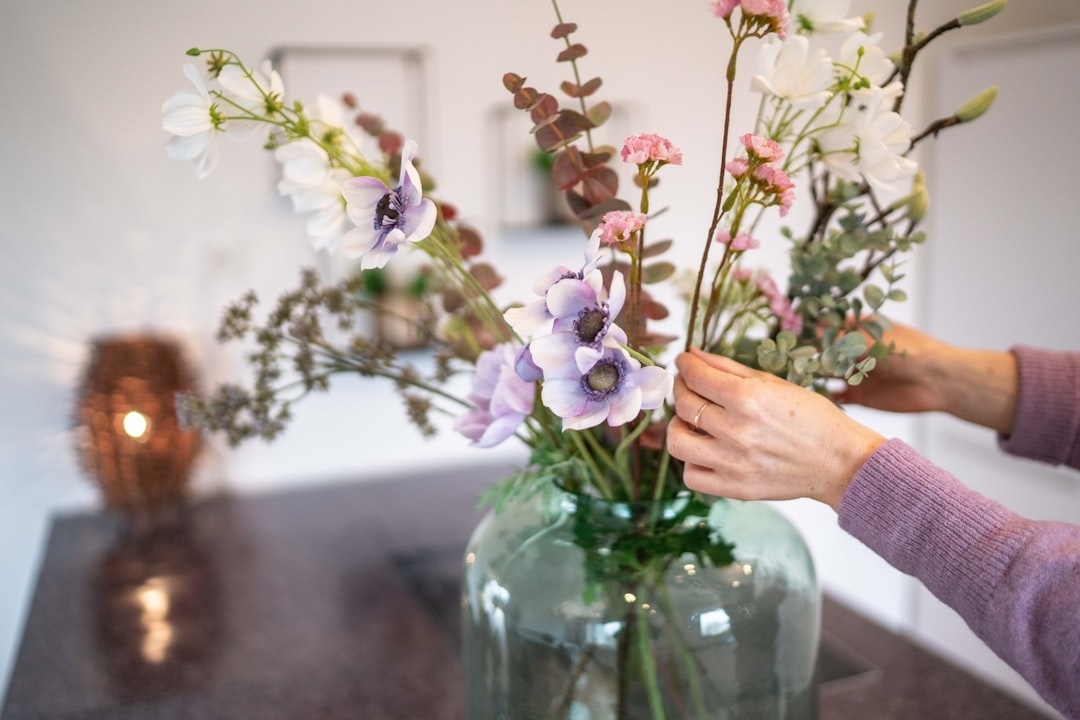
Direct sunlight, heat vents, appliances, and even fruit bowls (ethylene!) are all enemies of fresh blooms. The ideal indoor placement is a cool, shaded spot with indirect light. A north-facing windowsill, an interior table away from windows, or even a bathroom with good air circulation can work beautifully. If your home runs warm, don’t hesitate to move your arrangement to the refrigerator overnight — even 6–8 hours of cool storage each night can meaningfully extend bloom life.
Regional Considerations: Hot Weather Flower Care Across the US
Geography matters enormously here. A gardener in Phoenix, Arizona faces sustained dry heat where flowers desiccate rapidly — mulching heavily (3–4 inches of organic mulch) and drip irrigation are non-negotiables. In contrast, a gardener in Houston, Texas deals with high humidity alongside heat, which creates fungal problems as a secondary threat; airflow becomes just as important as hydration.
In the Northeast — say, Connecticut or New Jersey — summer heat waves are intense but episodic. Gardeners there benefit from paying close attention to the 10-day forecast and giving extra deep watering (1.5–2 inches) before a heat event rather than trying to catch up after the stress has started. On the West Coast, specifically coastal California, the marine layer keeps temperatures moderated in many zones, but inland valleys like Sacramento or the Central Valley regularly exceed 100°F. Morning watering is critical there; any moisture left on foliage by afternoon becomes a scorching hazard under intense sun.
Garden Flowers: Protecting Blooms Still in the Ground
Water Deeply, Not Frequently
Shallow, frequent watering trains roots to stay near the surface where soil temperatures can reach 130°F in full summer sun. Deep watering — 1 to 1.5 inches, two to three times per week — encourages roots to grow down into cooler soil zones, giving plants a more stable foundation during heat stress. A simple rain gauge placed in the garden bed takes all the guesswork out of measuring.
Time Your Watering Right
Water early in the morning, ideally before 9 a.m. This gives foliage time to dry before peak heat, reducing fungal risk, and allows water to penetrate before afternoon evaporation rates peak. Watering in the evening is the second-best option; midday watering is the least efficient and should only be used as an emergency rescue measure.
Use Shade Cloth Strategically
A 30–40% shade cloth suspended 12–18 inches above sensitive blooms like impatiens, pansies, or sweet peas can reduce leaf surface temperature by up to 10°F. This is a game-changer during heat waves. Permanent shade structures are ideal, but even temporary stakes and agricultural fabric work well for short-term protection.
Common Mistakes to Avoid
- Leaving cut flowers in a hot car: Even 20 minutes in a parked car on an 85°F day can fatally stress a bouquet. Treat flowers like groceries — keep them last on your errands and transport them in air conditioning.
- Using warm tap water in vases: Warm water encourages bacterial growth. Always use cold water, and change it completely every two days.
- Overhead watering garden flowers in afternoon heat: Water droplets on petals and leaves act like magnifying glasses under intense sun, causing burn spots and increasing disease pressure.
- Skipping deadheading during heat waves: Spent blooms divert the plant’s energy toward seed production rather than new growth. Remove them promptly — this is especially critical for roses and dahlias in summer.
- Placing flowers near ripening fruit: Bananas, apples, and tomatoes release ethylene gas that accelerates petal drop. Keep arrangements at least 6 feet away from a fruit bowl.
The Best Heat-Tolerant Flowers for Summer Gardens
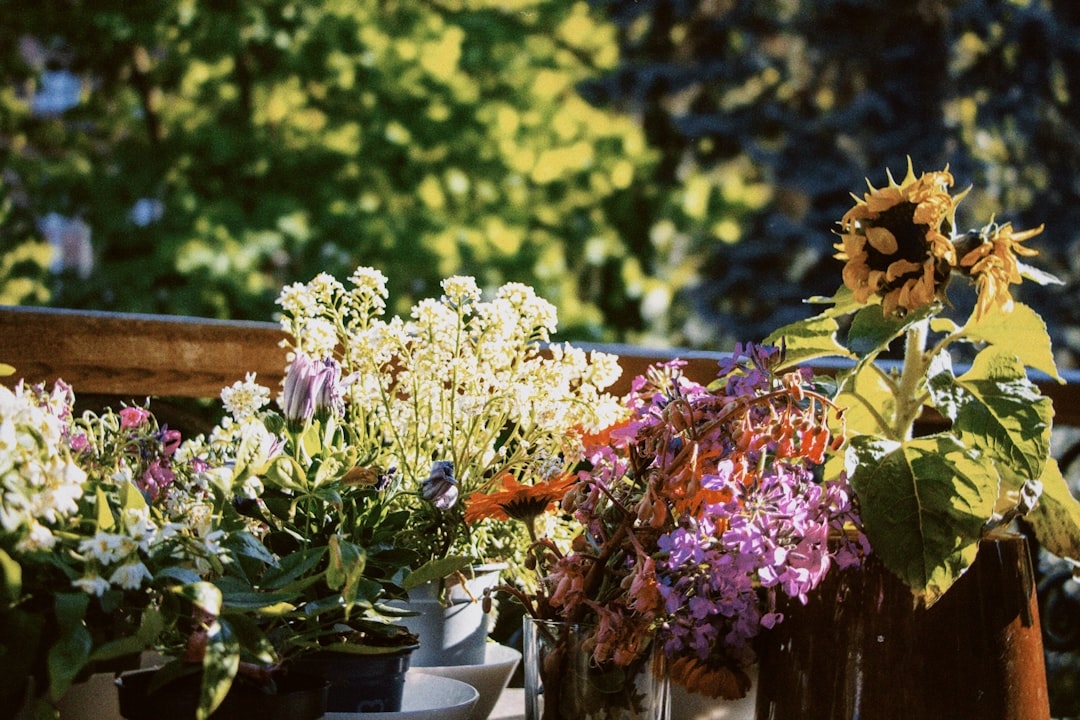
Choosing the right plants is half the battle. Zinnias, celosias, gomphrena, and lantana are built for heat and will reward you with color all summer with minimal intervention. Sunflowers are practically indestructible above 80°F. For cut flower arrangements, spray chrysanthemums and lisianthus hold up remarkably well in warm conditions and typically last 10–14 days even in summer with proper care. If you’re shopping at a florist or farmers market, ask specifically for heat-hardy varieties rather than grabbing whatever looks prettiest at the moment.
Keeping Flowers Fresh for Events in Summer Heat
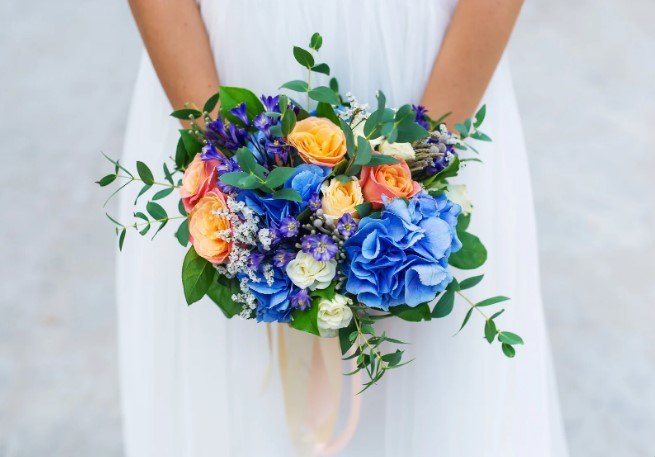
Planning flowers for an outdoor summer wedding or party requires a different mindset entirely. Design with structure in mind: tighter, denser arrangements hold up better than loose, open designs that expose more surface area to heat. Refrigerate arrangements right up until setup time, then mist lightly with water immediately before display. Avoid white and pale pink blooms as hero flowers in direct sun — they show heat stress (browning edges) most visibly. Deep reds, oranges, and purples tend to be more forgiving. For outdoor events lasting more than two hours in temperatures above 85°F, budget for a second set of arrangements for the reception portion if the ceremony flowers will be sitting in sun.
Frequently Asked Questions
How long can cut flowers survive in hot weather?
Without any intervention, cut flowers in temperatures above 85°F may last only 1–2 days. With proper care — cold water, flower preservative, re-cut stems, and shade — most varieties can last 5–7 days even in summer heat.
Does putting flowers in the refrigerator overnight help?
Yes, significantly. Storing cut flowers in the refrigerator for 6–8 hours overnight can extend their vase life by 2–3 days. Keep them away from fruits and make sure the fridge isn’t set below 34°F, which can damage tropical varieties like anthuriums and birds of paradise.
What is the best water temperature for flower vases in summer?
Cold water around 50°F is best for most cut flowers in summer. It slows bacterial growth and reduces the rate of water uptake, which sounds counterintuitive but actually keeps stems healthier longer. Warm water is only recommended for bulb flowers like tulips when you want to force them open quickly.
How often should I water garden flowers during a heat wave?
Deep water every 2–3 days rather than lightly every day. Aim for 1 to 1.5 inches of water per session, delivered at the base of the plant in the early morning. During extreme heat (above 95°F for multiple consecutive days), increase to every other day and add a layer of mulch to retain soil moisture.
Which cut flowers last longest in summer heat?
Spray chrysanthemums, lisianthus, gomphrena, alstroemeria, and carnations are among the most heat-resilient cut flowers. Avoid lily of the valley, sweet peas, and garden roses for outdoor summer events — they’re gorgeous but notoriously heat-sensitive.
Make This Summer Your Best Flower Season Yet
Mastering how to keep flowers alive in hot weather comes down to working with biology rather than against it. Cool water, clean vessels, strategic shade, deep watering, and smart variety selection aren’t tricks — they’re the fundamentals that professional florists and serious gardeners use every single day. Start implementing even two or three of these changes this week and you’ll notice the difference immediately.
The next step? Audit your current setup. Check your vase water temperature right now. Look at where your bouquet is sitting in relation to heat sources. Walk your garden bed and see whether your mulch layer is thick enough. Small adjustments, made consistently, produce dramatic results. Your flowers are worth it — and so is your time spent growing and arranging them.