How to Get Rid of Gnats in Flower Water for Good
Contents:
- Why Gnats Are Attracted to Flower Water
- How to Get Rid of Gnats in Flower Water Right Now
- Change the Water Completely
- Add Apple Cider Vinegar to a Trap
- Trim and Remove Submerged Foliage
- Use a Bleach Solution
- Try Hydrogen Peroxide
- Expert Tip: Prevention Is the Real Fix
- Budget-Friendly Cost Breakdown
- When Gnats Have Already Spread Around the Room
- Frequently Asked Questions
- Why do I keep getting gnats in my flower vase?
- Does vinegar in flower water keep gnats away?
- Is it safe to put bleach in flower water?
- How do I stop gnats from coming back after I fix the vase?
- Can gnats from flower water infest my house?
- Keep Your Flowers Fresh and Gnat-Free
You set a beautiful bouquet on the kitchen counter, and two days later there’s a tiny cloud of gnats hovering around the vase. Sound familiar? Those little flies aren’t just annoying — they’re a sign that something in the water is attracting them, and left alone, they’ll multiply fast. The good news: getting gnats out of flower water is genuinely easy once you understand what’s drawing them in.
Why Gnats Are Attracted to Flower Water
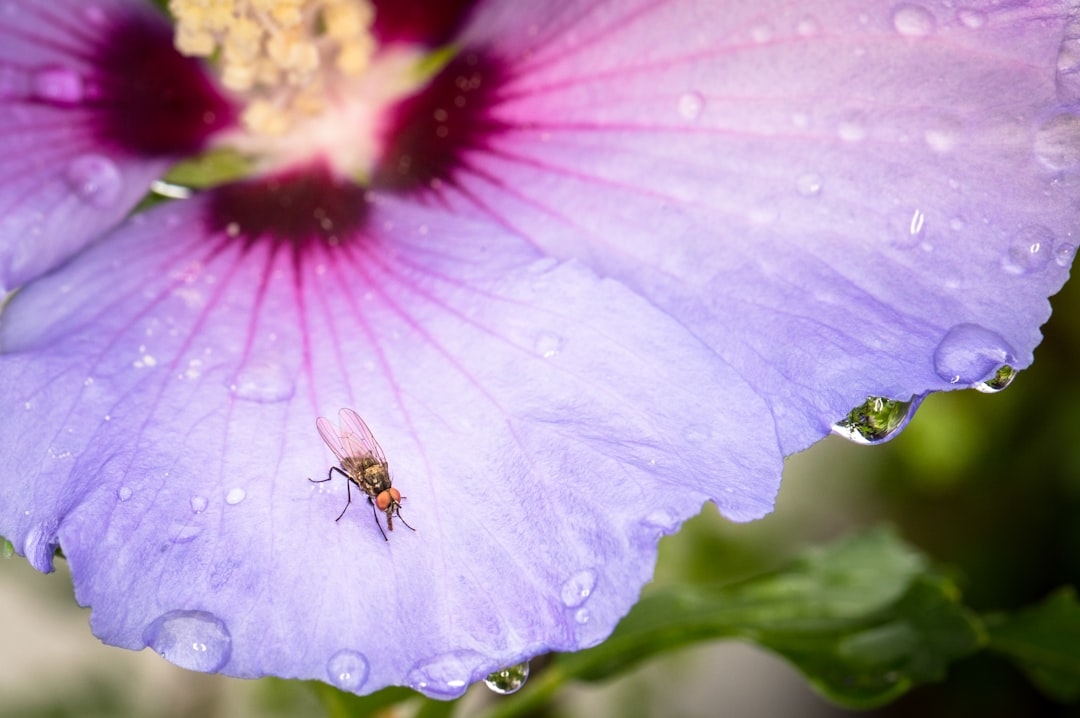
Gnats — specifically fungus gnats and fruit flies — are drawn to two things: moisture and organic decay. Flower vases deliver both. As soon as stems sit in water, they begin breaking down. Bacteria builds up, leaves rot below the waterline, and the whole arrangement becomes a breeding buffet. A single female fungus gnat can lay up to 200 eggs in moist organic material, which means a vase that looks fine on Monday can have a visible gnat problem by Thursday.
The warmer and stiller the water, the faster this happens. Vases placed near sunny windows or on top of warm appliances are especially prone to rapid bacterial growth — and rapid gnat attraction.
How to Get Rid of Gnats in Flower Water Right Now
You don’t need specialty products. Most fixes use things already in your kitchen or bathroom cabinet.
Change the Water Completely
Start here. Dump the old water, rinse the vase with hot water and a drop of dish soap, and refill with fresh cold water. This removes the bacterial film lining the vase walls — the main food source for gnat larvae. Do this every 2 days for cut flowers; every day during warmer months or if the vase is in direct light.
Add Apple Cider Vinegar to a Trap
Place a small bowl next to the vase with 2 tablespoons of apple cider vinegar, a few drops of dish soap, and an inch of water. The vinegar draws gnats in; the soap breaks surface tension so they sink. Most people see a noticeable drop in gnat activity within 24 to 48 hours. This won’t fix the root cause, but it clears the air while you address the vase itself.
Trim and Remove Submerged Foliage
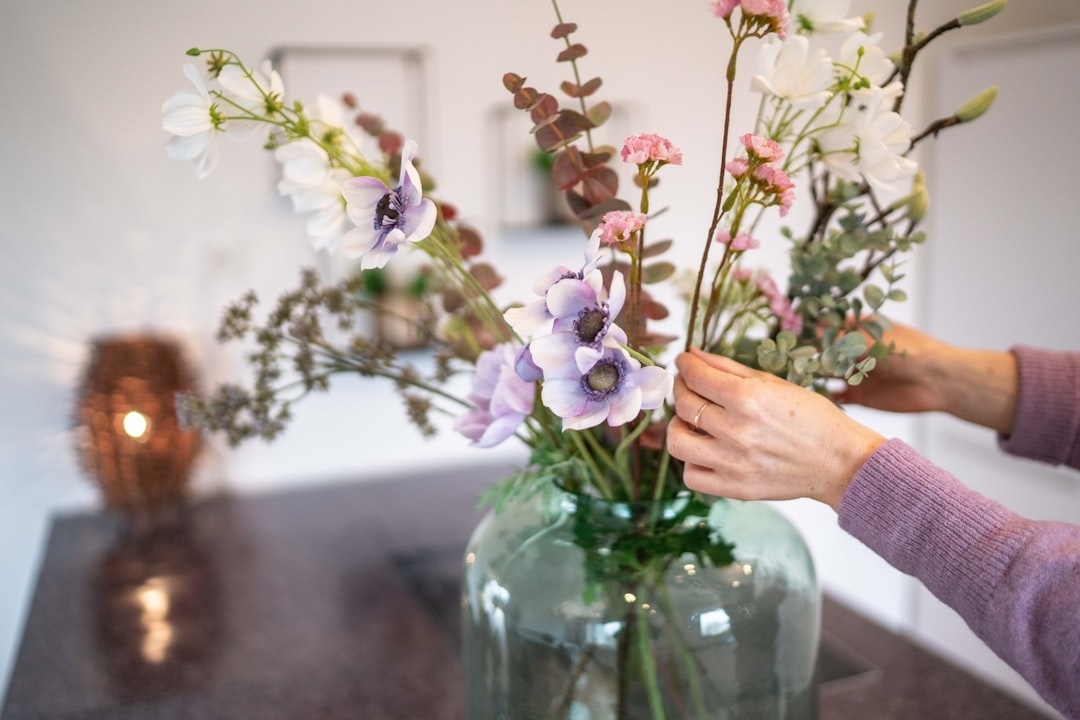
Any leaf sitting below the waterline is rotting. Strip all foliage from the bottom 3 to 4 inches of every stem before placing flowers in a vase. This single step dramatically slows bacterial growth and makes your flowers last longer too — a genuine two-for-one.
Use a Bleach Solution
A small amount of regular household bleach — just ¼ teaspoon per quart of water — keeps bacteria in check without harming most cut flowers. It’s the same principle used in commercial flower preservatives. Avoid this with delicate blooms like tulips or ranunculus, which are sensitive to bleach concentrations.
Try Hydrogen Peroxide
Add 1 teaspoon of 3% hydrogen peroxide per cup of water in the vase. It oxygenates the water and kills anaerobic bacteria — the smelly, gnat-inviting kind — without leaving harmful residue. It’s a favorite low-chemical option for households with pets or young children.
Expert Tip: Prevention Is the Real Fix
“Most gnat problems with cut flowers come down to neglected water,” says Dana Kowalski, a certified floral designer with over 15 years of experience at a wholesale florist in Chicago. “People assume flowers just sit in water and stay fine for a week. In reality, you need to treat a vase like a small aquatic environment — fresh water, clean walls, and no decomposing plant matter. Do those three things and gnats almost never become a problem.”
Kowalski also recommends keeping flower arrangements away from fruit bowls. Fruit flies and fungus gnats overlap in habitat preference, and having both attractants in the same area compounds the issue fast.
Budget-Friendly Cost Breakdown
You don’t need to spend much — or anything — to solve this problem:
- Apple cider vinegar trap: Uses what you likely already have; cost is effectively $0
- Household bleach solution: A 64 oz bottle costs around $2–$3 and lasts hundreds of uses
- Hydrogen peroxide (3%): About $1–$2 at any drugstore
- Commercial flower food packets: Often included free with florist bouquets; sold separately for $4–$6 per pack of 10
- Sticky yellow gnat traps (optional): Around $6–$8 for a pack of 12 — useful if gnats have spread beyond the vase
Total cost to fully address a gnat problem: typically under $10, often nothing at all.
When Gnats Have Already Spread Around the Room
If gnats are no longer just hovering near the vase, they’ve likely laid eggs in nearby soil or a drain. Check any houseplants within a few feet of the arrangement — overwatered potting soil is a secondary breeding ground. Let that soil dry out completely between waterings. For drains, pour a cup of diluted bleach or boiling water down the drain once a week for two weeks.
Sticky yellow traps placed near the vase and any suspect houseplants work as both a monitoring tool and a capture method. If you’re still seeing 10 or more gnats daily after a week of interventions, the source is probably a houseplant, not the vase.
Frequently Asked Questions
Why do I keep getting gnats in my flower vase?
Gnats are attracted to the bacteria and decomposing plant matter that builds up in stagnant flower water. Not changing the water frequently enough — ideally every 1 to 2 days — and leaving foliage submerged below the waterline are the two most common causes.
Does vinegar in flower water keep gnats away?
A small amount of apple cider vinegar (about 1 teaspoon per quart) can deter gnats slightly, but it’s more effective as a trap in a separate bowl beside the vase. High concentrations of vinegar can also shorten flower lifespan.
Is it safe to put bleach in flower water?
Yes, in very small amounts. Use no more than ¼ teaspoon of plain household bleach per quart of water. This inhibits bacterial growth without harming most cut flowers. Avoid it with sensitive varieties like tulips or sweet peas.
How do I stop gnats from coming back after I fix the vase?
Change the water every 2 days, trim stems at an angle with each water change, remove all submerged leaves, and keep the vase away from fruit and overwatered houseplants. Using a commercial floral preservative or a hydrogen peroxide solution also helps maintain cleaner water between changes.
Can gnats from flower water infest my house?
They can spread if conditions allow. Fungus gnats will move to moist houseplant soil, and fruit flies will target any ripe or fermenting food nearby. Addressing the vase quickly — within the first day or two of noticing gnats — usually prevents any wider spread.
Keep Your Flowers Fresh and Gnat-Free
The most effective long-term approach is a simple routine: fresh water every other day, clean stems, a clean vase, and no rotting foliage underwater. Pick up a pack of floral preservative packets next time you’re at the grocery store — they typically contain a mix of acidifier, sugar, and biocide that does exactly what the bleach and hydrogen peroxide tricks do, in one convenient step. Your flowers will last longer, your water will stay cleaner, and those gnats won’t have anything worth coming back for.