Can You Send Flowers Through USPS? Everything You Need to Know Before You Ship
Contents:
- What USPS Actually Allows: The Rules Around Shipping Flowers
- How to Package Flowers for USPS Shipment
- Keeping Stems Hydrated in Transit
- Securing the Blooms
- Labeling and Marking the Box
- Send Flowers USPS vs. Using a Dedicated Flower Delivery Service
- Best Flower Varieties for Mailing
- Common Mistakes to Avoid
- Step-by-Step: How to Send Flowers via USPS
- FAQ: Sending Flowers Through USPS
- Can you send fresh flowers through USPS?
- How much does it cost to send flowers via USPS?
- Can you ship rooted plants through USPS?
- How do you keep flowers fresh when shipping?
- What flowers ship best through the mail?
- Before You Head to the Post Office
You’ve got a beautiful bouquet sitting on your counter, a birthday three states away, and a post office two blocks from your house. The question hits: can you just send flowers through USPS like you’d mail a package? The short answer is yes — but there’s a right way and a wrong way to do it, and the difference matters more than most people expect.
Fresh flowers are perishable, fragile, and sensitive to heat, cold, and delay. USPS moves millions of packages daily, and your blooms will be jostled, stacked, and sorted alongside everything else. Understanding the rules, timelines, and packaging requirements before you ship is what separates a stunning delivery from a box of wilted mush.
What USPS Actually Allows: The Rules Around Shipping Flowers
USPS permits the mailing of fresh flowers domestically as long as they don’t carry soil. That’s the key restriction. Cut flowers — stems, no roots, no dirt — are completely acceptable. Rooted plants or anything with attached growing medium generally cannot be sent through standard USPS mail domestically without additional phytosanitary compliance, especially across state lines where agricultural inspection laws apply.
Dried flowers, silk flowers, and preserved botanicals face zero restrictions. They’re treated like any other non-perishable item. If you’re shipping dried lavender bundles or pressed flower arrangements, standard First-Class Package Service is perfectly fine.
For fresh cut flowers, USPS Priority Mail is the minimum you should consider. It delivers in 1–3 business days. For anything that needs guaranteed next-day arrival, Priority Mail Express is your option — it offers overnight to 2-day delivery and is available 365 days a year, including Sundays in many locations.
How to Package Flowers for USPS Shipment
Keeping Stems Hydrated in Transit
The biggest challenge with fresh flower shipping is moisture management. Wrap the bottom 3–4 inches of stems in damp paper towels, then seal them tightly inside a plastic bag or wrap with plastic film. This creates a small reservoir that keeps stems hydrated for 24–48 hours without leaking into the box.
Margaret Hollins, a certified floral designer with over 18 years of experience at a wholesale florist in Atlanta, recommends this approach: “Use gel water packs instead of wet paper towels whenever possible. They’re less likely to leak and maintain consistent moisture. You can pick them up at any floral supply store for under $1 each.”
Securing the Blooms
Flowers need to be immobilized inside the box to prevent them from bashing against the sides. Wrap the entire bouquet in tissue or newspaper, then nest it snugly between layers of crinkle-cut paper filler or bubble wrap. The blooms should not shift when you gently shake the box. Use a sturdy corrugated cardboard box — not a repurposed thin mailer.
Labeling and Marking the Box
Write “PERISHABLE” clearly on at least two sides of the box. USPS does not guarantee priority handling for perishables, but the label alerts handlers to be more careful. Include a packing slip inside with the recipient’s full address and your return address — just in case the outer label gets damaged.
Send Flowers USPS vs. Using a Dedicated Flower Delivery Service
This is the comparison most people should think through before defaulting to the post office. Services like FTD, 1-800-Flowers, or local florist networks use their own logistics, local florists at the destination, or temperature-controlled couriers. They don’t ship a pre-arranged bouquet across the country — they typically fulfill orders through a florist near the recipient, which means fresher flowers and same-day delivery options in most zip codes.
USPS shipping is best suited for:
- Dried or preserved flower arrangements
- Sending flowers from your own garden to a nearby state (1–2 day transit)
- Situations where cost is the primary concern and 1–2 day Priority Mail transit is acceptable
- Unique or homegrown varieties not available through floral wire services
Dedicated flower delivery services are better when:
- You need same-day or guaranteed delivery
- The recipient is across the country and transit time would exceed 2 days
- You want the flowers professionally arranged at the destination
- The occasion is high-stakes (wedding, funeral, major milestone)
On price: shipping a small bouquet via USPS Priority Mail typically runs $9–$16 depending on weight and distance. Dedicated delivery services start around $40–$60 including the arrangement. If you’re sending flowers you’ve grown or purchased yourself, USPS can represent real savings — but factor in the cost of packaging materials too.
Best Flower Varieties for Mailing
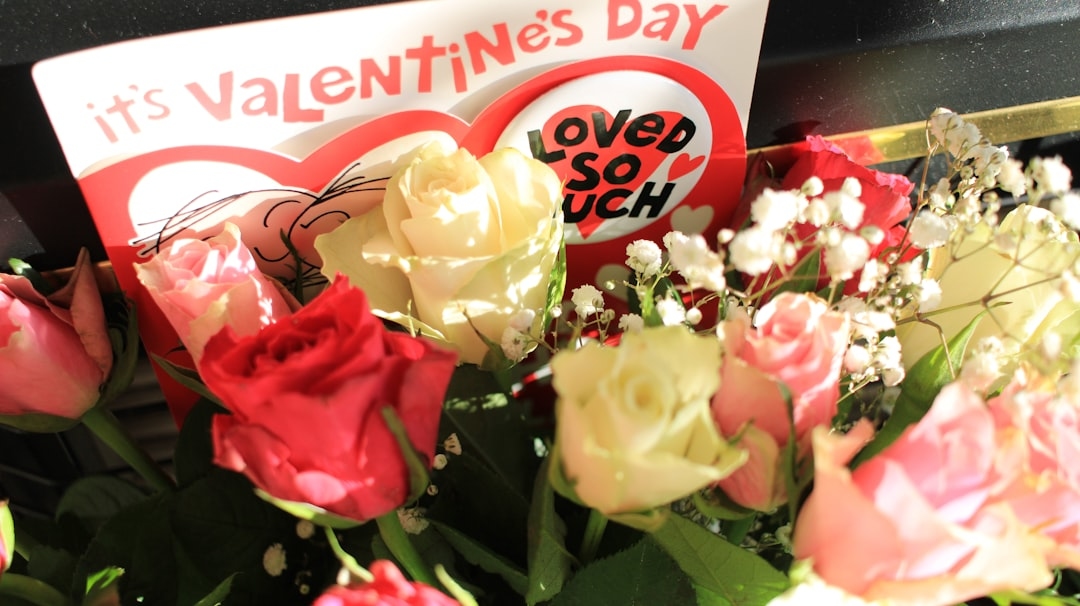
Not all flowers hold up equally in transit. Hardier blooms survive 1–2 days in a box far better than delicate varieties. Stick to these when shipping via USPS:
- Alstroemeria — highly durable, lasts 10–14 days after cutting
- Carnations — resilient and long-lasting, ideal for mail
- Chrysanthemums — sturdy petals, handles transit well
- Sunflowers — strong stems, minimal bruising in transit
- Statice and dried fillers — essentially indestructible, great for mixed dried arrangements
Avoid roses (unless heavily padded), tulips (petals bruise easily), and any tropical blooms like bird of paradise, which need humidity control that standard USPS packaging can’t provide.
Common Mistakes to Avoid
- Shipping on a Friday. Packages shipped late Friday may sit in a facility over the weekend. Always ship Monday through Wednesday to keep transit within business days.
- Using a box that’s too large. Extra space means more movement. A snug fit is safer than a roomy box stuffed with filler.
- Skipping the moisture source. Even a 24-hour trip without hydration can leave stems looking wilted. Don’t skip the damp wrap or gel pack.
- Choosing First-Class for fresh flowers. First-Class Package can take up to 5 business days. That’s too slow for anything perishable.
- Not checking destination state agricultural rules. Some states — particularly California, Hawaii, and Florida — have strict regulations about what plant material can be imported. Verify before shipping.
Step-by-Step: How to Send Flowers via USPS
- Cut stems at a 45-degree angle and immediately wrap the bottom 3–4 inches with a damp paper towel or gel water pack. Seal in plastic.
- Wrap the entire bouquet in tissue paper or newspaper to protect petals.
- Place the bouquet in a snug corrugated cardboard box. Fill any gaps with crinkle paper or bubble wrap.
- Seal the box with strong packing tape on all seams.
- Mark at least two sides “PERISHABLE.”
- Take to your post office and select Priority Mail (1–3 days) or Priority Mail Express (overnight to 2 days).
- Ship Monday through Wednesday for best results.
FAQ: Sending Flowers Through USPS
Can you send fresh flowers through USPS?
Yes. USPS allows fresh cut flowers (no soil, no roots) to be shipped domestically. Use Priority Mail or Priority Mail Express to ensure they arrive within 1–3 days while still fresh.
How much does it cost to send flowers via USPS?
A small bouquet shipped via USPS Priority Mail typically costs between $9 and $16, depending on the package weight and destination. Priority Mail Express runs $28–$50 for most packages under 5 lbs.
Can you ship rooted plants through USPS?
Rooted plants with soil generally cannot be mailed through USPS domestically without meeting state agricultural requirements. Bare-root plants (roots cleaned of all soil) may be permitted in some cases. Check USPS Publication 52 and destination state regulations before shipping.
How do you keep flowers fresh when shipping?
Wrap the cut stems in damp paper towels or floral gel packs sealed in plastic, pack the bouquet snugly to prevent movement, mark the box “PERISHABLE,” and ship early in the week via Priority Mail to minimize time in transit.
What flowers ship best through the mail?
Alstroemeria, carnations, chrysanthemums, and sunflowers are among the most durable cut flowers for mailing. Dried flowers — lavender, statice, strawflower — are the most reliable option of all, with no hydration requirements and a much longer shelf life.
Before You Head to the Post Office
Sending flowers through USPS is genuinely practical — when you choose the right service level, the right flowers, and ship at the right time of week. It’s not the answer for every situation. Same-day delivery across the country, high-humidity tropicals, or soil-bearing plants all call for a different solution. But for a thoughtful homegrown bouquet, a bundle of dried herbs, or a carefully packed arrangement destined for a nearby state, the post office is a perfectly solid option.
Check the USPS website for current Priority Mail Express rates and transit time estimates by zip code before you pack — prices and delivery windows can vary by region and season. A two-minute lookup can save you from an expensive surprise at the counter.