How Much Do Ranunculus Cost Per Bunch?
Contents:
- What Is a Ranunculus, Exactly?
- Average Ranunculus Cost Per Bunch in the U.S.
- Seasonal Price Fluctuations
- Regional Price Differences Across the U.S.
- Ranunculus vs. Peonies: A Common Comparison
- What Affects the Price You’ll Pay
- Common Mistakes to Avoid When Buying Ranunculus
- Practical Tips for Getting the Most Value
- FAQ: Ranunculus Pricing and Buying
- How much does a bunch of ranunculus cost at a grocery store?
- How many stems are in a standard bunch of ranunculus?
- Are ranunculus cheaper at a farmers market?
- What is the cheapest way to buy ranunculus in bulk?
- How long do ranunculus last in a vase?
What would you pay for a flower so layered it looks hand-painted — and does the price actually reflect that beauty? Ranunculus have become one of the most sought-after blooms in floral design, and for good reason. But before you add them to your cart or ask your florist to order them, it helps to understand what drives the ranunculus cost per bunch and what a fair price actually looks like in 2026.
What Is a Ranunculus, Exactly?
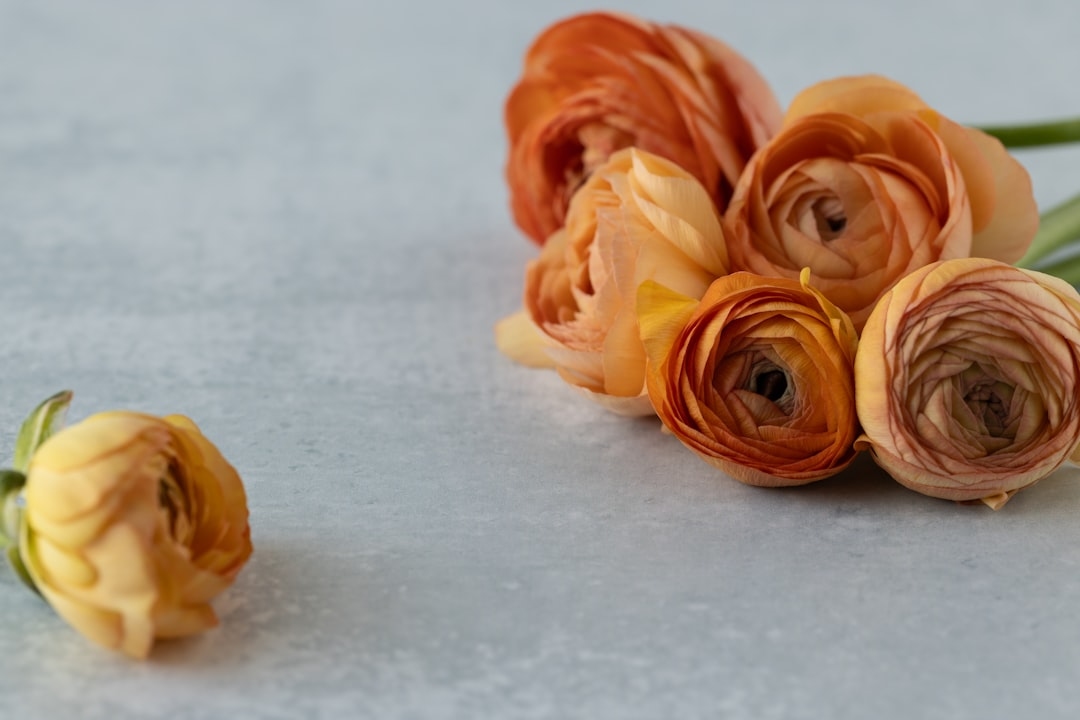
Ranunculus (Ranunculus asiaticus) are members of the buttercup family, native to the eastern Mediterranean. They grow from small, claw-shaped corms and produce densely petaled blooms that can reach 3 to 5 inches in diameter. Each stem holds one flower, and those flowers are notoriously labor-intensive to grow — they require cool temperatures between 45°F and 55°F to thrive, which limits their commercial production season to late winter through spring in most U.S. climates.
That narrow growing window is one of the primary reasons ranunculus are priced higher than commodity flowers like carnations or alstroemeria. Supply tightens fast when the weather warms.
Average Ranunculus Cost Per Bunch in the U.S.
At a retail florist or grocery store with a floral department, expect to pay $12 to $25 per bunch, with each bunch typically containing 5 to 10 stems. Higher-end boutique florists may price them at $18 to $35 per bunch, especially for specialty varieties or larger blooms.
Wholesale pricing tells a different story. If you have access to a flower market or a wholesale supplier — some are open to the public on weekday mornings — you can find ranunculus for $8 to $15 per bunch, sometimes less during peak season. A standard grower’s bunch at wholesale usually contains 10 stems.
Online floral retailers like FiftyFlowers or The Bouqs sell ranunculus in larger quantities. Buying a bundle of 50 stems might cost $45 to $75, depending on color and season, which breaks down to roughly $0.90 to $1.50 per stem — a significant savings if you’re arranging for a small event.
Seasonal Price Fluctuations
Ranunculus peak in late February through April. During this window, prices stabilize and quality is highest. Outside of season — particularly in summer and early fall — you may find imported ranunculus from South America or the Netherlands, but expect to pay a 20 to 40 percent premium for off-season availability. Some farms simply stop offering them altogether in warmer months.
Regional Price Differences Across the U.S.
Geography plays a real role in what you’ll pay. In the West Coast states, particularly California, ranunculus are grown domestically at scale — farms in the Carlsbad and Santa Cruz areas produce them commercially — which keeps retail prices closer to the lower end of the range, often $10 to $18 per bunch. On the Northeast corridor (New York, Boston, Philadelphia), you’re more likely to see $18 to $28 per bunch at retail, since most flowers are imported or shipped long distances. In the South, particularly inland states like Tennessee or Alabama, availability can be more limited and pricing more variable — some florists source them weekly while others only carry them seasonally, pushing prices to $20 or more for a modest bunch.
Ranunculus vs. Peonies: A Common Comparison
Many buyers confuse ranunculus with peonies at first glance — both have layered, ruffled petals and a romantic, full-headed look. But they are botanically distinct and priced differently. Peonies typically cost $15 to $40 per stem at retail during their even shorter season (late spring), making a bunch of 5 stems a significant investment. Ranunculus, at $1.50 to $4 per stem, deliver a similar visual impact for considerably less.
The practical difference for a small space: ranunculus stems are slender and upright, making them easier to arrange in a narrow bud vase on a windowsill or countertop. Peony blooms are large, heavy, and require more real estate in a vase. If you’re working with limited surface area, ranunculus offer more flexibility per dollar.
What Affects the Price You’ll Pay
Understanding the variables behind pricing helps you shop smarter. Several factors push the cost up or down:
- Stem count per bunch: Not all bunches are equal. Some retail bunches contain only 5 stems; wholesale bunches often have 10. Always check before comparing prices.
- Bloom size: “Jumbo” or “extra-large” ranunculus, which can measure 4 to 5 inches across, command a premium of 30 to 50 percent over standard grades.
- Color: White and blush ranunculus are extremely popular for weddings, which drives up demand — and price — for those colorways. Bi-color or picotee varieties are typically priced higher as specialty items.
- Where you buy: Grocery store floral departments are convenient but not the best value. Farmers markets during spring often offer the freshest stems at mid-range prices. Wholesale flower markets remain the best value for anyone buying more than one bunch.
- Shipping costs: Online orders often have flat-rate shipping fees of $15 to $25, which can negate savings on smaller orders.
Common Mistakes to Avoid When Buying Ranunculus
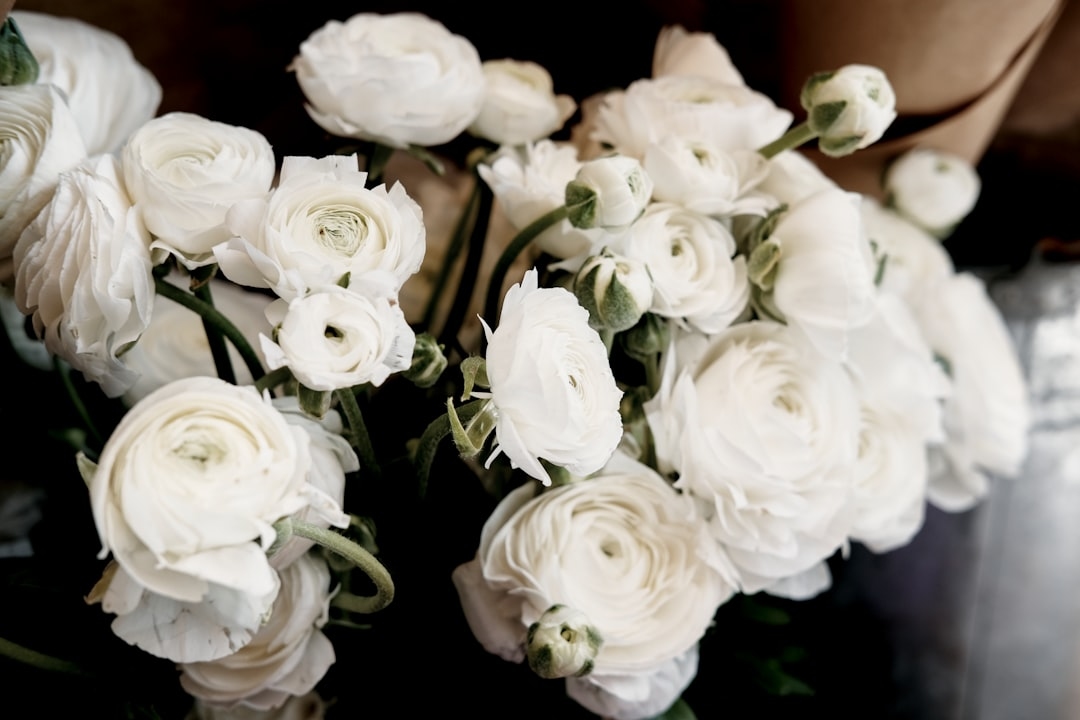
Even experienced flower buyers make avoidable errors with ranunculus. Keep these in mind:
- Buying fully open blooms: Ranunculus continue to open after purchase. Buy stems where the bud feels soft but is not yet fully open — you’ll get 5 to 7 more days of vase life compared to blooms that are already splayed open in the shop.
- Skipping the stem recut: Always cut at least a half-inch off the stem at a 45-degree angle before placing in water. Ranunculus stems can seal quickly after harvest, limiting water uptake.
- Using a vase that’s too deep: These flowers do best in 3 to 5 inches of clean, cool water. Submerging the stems too deeply encourages bacterial rot at the base.
- Ignoring the temperature of the room: In a warm apartment, ranunculus fade faster. Keeping them away from direct sunlight and heat vents can extend their life by 2 to 3 days.
- Paying retail price for quantities over two bunches: If you need more than 20 stems, call a local wholesale market or check if a nearby farm ships direct. The savings are substantial.
Practical Tips for Getting the Most Value
For someone working with a small apartment budget and limited space, a single bunch of 7 to 10 stems is usually enough to fill a compact vase and make a real visual statement. Here’s how to make your purchase count:
- Buy during peak season (February–April). Prices are lower, quality is higher, and local farms are producing at full capacity.
- Split a wholesale bunch with a neighbor or friend. If a 10-stem bunch is more than you need, splitting an order keeps costs down for both parties.
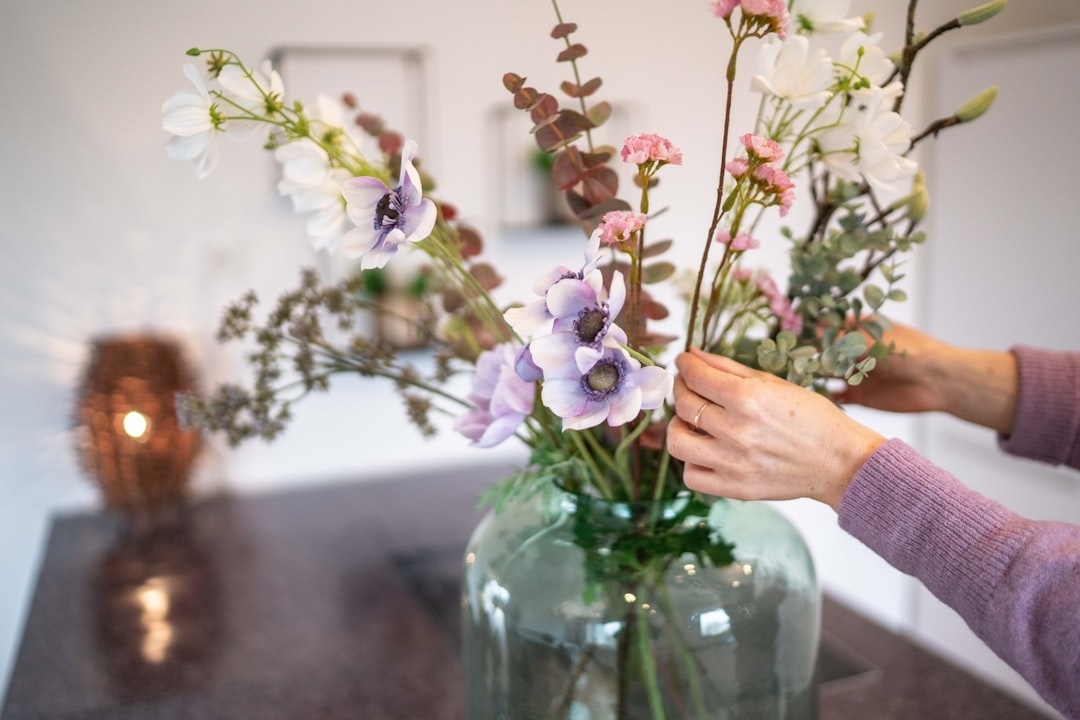
- Mix with greenery, not other flowers. Ranunculus arranged with eucalyptus or Italian ruscus look full and intentional without needing a second flower type. This keeps your cost to a single bunch.
- Ask your florist about “market bunches.” Some florists sell surplus stems at a discount, especially on Fridays before they restock for the weekend.
FAQ: Ranunculus Pricing and Buying
How much does a bunch of ranunculus cost at a grocery store?
At most U.S. grocery stores with floral departments, ranunculus cost between $12 and $20 per bunch, typically containing 5 to 8 stems. Trader Joe’s and Whole Foods tend to carry them seasonally at the lower end of this range.
How many stems are in a standard bunch of ranunculus?
A retail bunch usually contains 5 to 10 stems. A wholesale grower’s bunch is typically 10 stems. Always confirm the stem count when comparing prices between suppliers.
Are ranunculus cheaper at a farmers market?
Often, yes. Farmers markets during spring can offer locally grown ranunculus at $8 to $15 per bunch, with fresher quality than grocery stores since the supply chain is shorter. Availability varies by grower and region.
What is the cheapest way to buy ranunculus in bulk?
Wholesale flower markets offer the lowest per-stem pricing, typically $8 to $15 per 10-stem bunch. Online bulk suppliers like FiftyFlowers or GrowersBox can also be cost-effective for orders of 50 or more stems, though shipping fees apply.
How long do ranunculus last in a vase?
With proper care — fresh water every two days, a cool room, and a clean vase — ranunculus typically last 7 to 10 days. Buying partially closed buds and keeping them away from heat sources will maximize vase life.
The next time you’re browsing a flower stand or building a small arrangement for your kitchen table, you’ll know exactly what a fair price looks like and how to make the most of every stem. Spring is the best time to buy — mark your calendar for February and stock up while the prices and quality are both at their peak.