How to Remove Rose Thorns From Roses Safely and Effectively
Contents:
- Understanding Rose Thorns: Prickles, Not True Thorns
- Tools You Need to Remove Rose Thorns Safely
- Step-by-Step: How to De-Thorn a Rose Stem
- Step 1 — Condition the Stems First
- Step 2 — Secure the Stem
- Step 3 — Strip With Steady, Even Pressure
- Step 4 — Inspect and Clean Up
- Common Mistakes to Avoid
- Regional Considerations for Rose Growers
- Thorn Stripper vs. Gloved Hand: Which Method Wins?
- Practical Tips for Cleaner, Safer Results
- Frequently Asked Questions
- What is the easiest way to remove thorns from roses?
- Does removing thorns hurt the rose stem?
- How far in advance can I remove thorns before arranging roses?
- Can I use a regular knife to remove rose thorns?
- Are rose thorns actually thorns?
You reach for a freshly cut stem, and before you even register what happened, a thorn has drawn blood. Roses are among the most handled flowers in the world — roughly 1.2 billion stems are sold in the US each year — yet the simple task of de-thorning them trips up beginners and experienced gardeners alike. Learning to remove rose thorns safely is less about brute force and more about understanding the plant’s structure and choosing the right method for the job.
Understanding Rose Thorns: Prickles, Not True Thorns
Here’s something most people get wrong: rose “thorns” are not technically thorns at all. Botanically speaking, they are prickles — outgrowths of the plant’s epidermis (the outer skin layer), not extensions of its vascular tissue. True thorns, like those on hawthorn or honey locust trees, are hardened modified stems that cannot be removed without damaging the wood beneath.
Prickles, by contrast, snap off relatively cleanly when pressure is applied correctly. This is the biological basis for every de-thorning technique that works. Push perpendicular to the stem, not along it, and the prickle separates without tearing the bark or introducing a wound large enough to invite disease.
Rose prickles vary considerably by species and cultivar. Hybrid teas tend to have large, widely spaced prickles with a curved hook. Climbing roses can be ferociously armed — some stems carry 30 or more prickles per foot. Miniature roses are often nearly thornless. Know what you’re working with before you start.
Tools You Need to Remove Rose Thorns Safely
The right tool makes the difference between a clean job and a scratched-up forearm. You have several solid options depending on your budget and how often you work with roses.
- Thorn stripper tool: A purpose-built handheld device with a grooved channel. Draw the stem through the channel and the prickles shear off in one smooth pass. Models from Fiskars or Florian retail for $8–$18 and are the go-to choice for florists processing dozens of stems at once.
- Heavy leather gloves: Not a stripping tool, but essential protection while you work. Standard gardening gloves won’t cut it — rose prickles pierce thin fabric easily. Look for gauntlet-style gloves that extend past the wrist.
- A thick cloth or old leather strap: For small batches, wrapping a cloth around the stem and pulling firmly downward strips most prickles in seconds. Inexpensive and zero cleanup required.
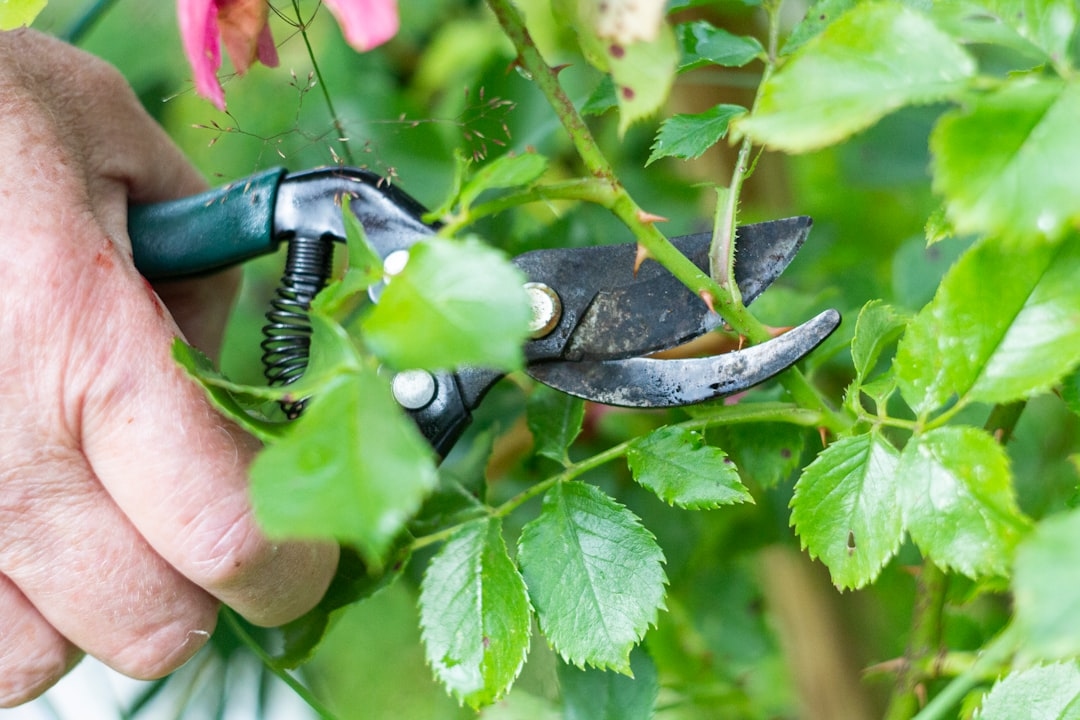
- Bypass pruners or a sharp knife: For precise work on a single stem, carefully slice each prickle at its base. Slow, but gives you the cleanest result with minimal bark disturbance.
Step-by-Step: How to De-Thorn a Rose Stem
Step 1 — Condition the Stems First
Fresh-cut roses are more pliable and easier to work with than dried or day-old stems. If you’re working with florist roses, let them hydrate in water for at least 2 hours before stripping. Stems that have started to dry become brittle, and prickles snap unevenly — sometimes leaving sharp stubs behind.
Step 2 — Secure the Stem
Hold the stem firmly near the top (the bloom end) with your non-dominant hand, keeping your gloved fingers away from the prickle zone. Work from the top of the stem downward toward the cut end. Gravity and the natural taper of the stem make this direction more efficient.
Step 3 — Strip With Steady, Even Pressure
If using a thorn stripper, thread the stem through the largest notch that still makes contact with the prickles. Pull with a smooth, continuous motion rather than a jerky snap — this reduces the risk of gouging the green bark. One pass handles 80–90% of prickles on a typical hybrid tea stem. Follow up with a second pass on any stragglers.
If using a cloth or gloved hand, grip the stem loosely and slide downward in one motion. Repeat twice. Avoid squeezing too tightly, which crushes the stem’s water-conducting tissue.
Step 4 — Inspect and Clean Up
Run a finger (gloved) along the stripped stem to feel for any remaining stubs. Trim these individually with pruners or a folding knife. Rinse the stem under cool water to remove any plant sap, which can cause skin irritation in sensitive individuals.
Common Mistakes to Avoid
- Pulling upward along the stem: Stripping prickles toward the flower tears bark and creates large, open wounds — prime entry points for botrytis and bacterial rot.
- Using scissors or dull blades: These crush rather than cut, leaving ragged stubs that are still sharp and harder to spot.
- Skipping gloves because “it’s just a few stems”: Rose prickles can drive surprisingly deep, and embedded fragments are notoriously difficult to remove from fingertips.
- Removing prickles from stems you plan to root: If you’re propagating, leave the prickles intact — the nodes near prickle bases are active growth points.
- De-thorning too far in advance: Stripped stems lose water faster through the exposed bark. Process roses no more than 30–60 minutes before arranging them.
Regional Considerations for Rose Growers

Rose culture varies significantly across the US, and so does your de-thorning context. In the Southeast — Florida, Georgia, the Carolinas — high humidity means stripped stems are exposed to fungal pressure almost immediately. Florists in Atlanta often apply a diluted hydrogen peroxide rinse (3% solution, 1:10 with water) to stripped stems before conditioning. In the Northeast, cold-weather varieties like the Canadian-bred Knock Out series tend to have denser, stubbier prickles that respond better to a knife than a stripper tool. On the West Coast, where roses bloom nearly year-round in zones 9–10, many growers skip full de-thorning and simply remove prickles from the bottom third of the stem to avoid damaging an otherwise pristine stem destined for multi-week display.
Thorn Stripper vs. Gloved Hand: Which Method Wins?
A dedicated thorn stripper outperforms the gloved-hand method on volume and consistency, but it’s not always the superior choice. For a single bouquet of 12 stems or fewer, a thick leather glove and a downward swipe is faster once you account for setup and cleanup. For florists processing 50+ stems per session, a thorn stripper pays for itself in time savings within the first use. The gloved-hand method also wins when stems are particularly delicate — strippers apply uniform pressure that can bruise thin-barked miniature rose stems.
Practical Tips for Cleaner, Safer Results
- Work over a trash bag or newspaper — stripped prickles scatter and embed in carpet or upholstery with impressive tenacity.
- Wear safety glasses if you’re processing roses quickly. A prickle flicked at eye level is an ER visit waiting to happen.
- Store de-thorned stems in a bucket of water mixed with a commercial floral preservative. The standard ratio is 1 packet per quart of water.
- If a prickle breaks skin, clean immediately with soap and water. Rose prickle wounds have a higher-than-average infection rate because prickles often carry soil bacteria.
Frequently Asked Questions
What is the easiest way to remove thorns from roses?
The easiest method for most people is a purpose-built thorn stripper tool. Thread the stem through the notch and pull downward in one smooth motion. It removes the majority of prickles in a single pass and keeps your hands safely away from the stem.
Does removing thorns hurt the rose stem?
Minimal damage occurs when prickles are removed correctly — with downward pressure perpendicular to the stem. Stripping upward or using dull tools tears the bark, which can shorten vase life and introduce disease. Always strip downward toward the cut end.
How far in advance can I remove thorns before arranging roses?
Strip roses no more than 30–60 minutes before placing them in an arrangement. Exposed bark loses moisture faster than intact stems, which reduces vase life. If you must work ahead, keep stripped stems submerged in water immediately after processing.
Can I use a regular knife to remove rose thorns?
Yes — a sharp bypass pruner or folding knife works well for small batches. Slice each prickle at its base rather than snapping it. Avoid dull blades, which crush tissue and leave ragged stubs that are still sharp to the touch.
Are rose thorns actually thorns?
No. Rose “thorns” are botanically classified as prickles — outgrowths of the outer skin layer (epidermis) rather than modified stem tissue. This distinction matters practically: prickles snap off relatively cleanly, while true thorns (found on plants like hawthorn) cannot be removed without damaging the underlying wood.
Now that you understand the anatomy and the technique, your next bouquet doesn’t have to draw blood. Start with a quality leather glove, a $10 thorn stripper, and a batch of fresh-conditioned stems — and you’ll process roses faster and more confidently than you thought possible. Once you’ve mastered the basics, consider exploring thornless cultivars like Rosa ‘Smooth Prince’ or the Lim-bred ‘Bonica’ for arrangements where you want zero margin for error.