How to Dry Roses So They Keep Their Color
Contents:
- Why Roses Lose Color When Dried
- The Best Methods to Dry Roses and Keep Color
- Silica Gel — Best Overall for Color Preservation
- Air Drying — Low Cost, Some Fading Expected
- Pressing — For Flat Projects and Framing
- Microwave with Silica Gel — Fastest Method
- Practical Tips for Color That Lasts
- Which Method Should You Choose?
- Frequently Asked Questions
- How long does it take to dry roses while keeping their color?
- Do dried roses keep their color permanently?
- What is the best way to dry red roses and keep their color?
- Can I use Epsom salt instead of silica gel to dry roses?
- Should I spray dried roses with anything to preserve them?
- Ready to Preserve Your Next Bouquet?
In Victorian England, the language of flowers — called floriography — was a serious social code. Dried roses were pressed into letters, tucked into lockets, and displayed under glass domes as tokens of affection meant to last decades. Those preserved blooms weren’t just sentimental; they were carefully prepared. The Victorians understood something we sometimes forget: how you dry a rose determines whether it holds its beauty or crumbles into a pale ghost of itself.
For anyone wanting to dry roses and keep color intact, the method matters enormously. This guide covers every practical technique — with real numbers, material costs, and the tradeoffs between them — so you can choose what works for your flowers, your space, and your budget.
Why Roses Lose Color When Dried
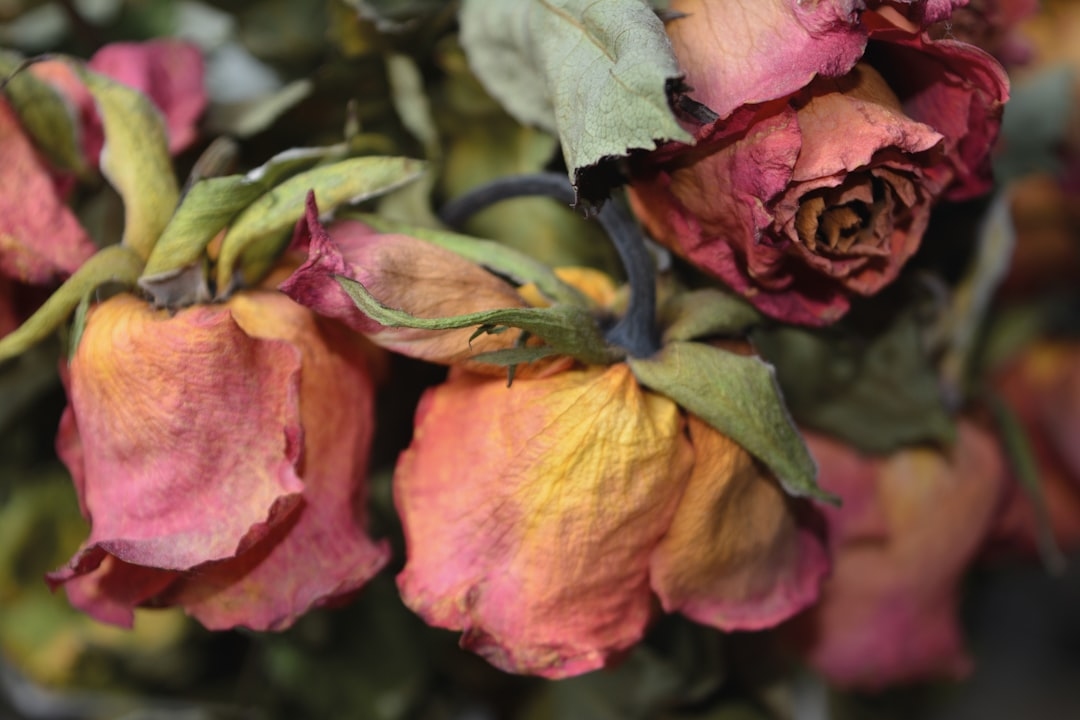
Color in rose petals comes primarily from pigments called anthocyanins (reds, pinks, purples) and carotenoids (yellows, oranges). These molecules are water-soluble and light-sensitive. As petals dry, cell walls collapse, water evaporates unevenly, and oxidation begins. The result: muddy browns, washed-out pinks, and faded reds.
Three environmental factors accelerate pigment loss:
- Light exposure — UV rays break down anthocyanins rapidly. A rose dried in a sunny window can lose up to 60% of its color depth within a week.
- Humidity fluctuations — Moisture causes cell damage during the drying process, leading to uneven color and mold.
- Slow drying time — The longer it takes, the more oxidation occurs. Speed is your ally.
Understanding this helps explain why certain methods outperform others — and why the same rose dried two different ways can look completely different.
The Best Methods to Dry Roses and Keep Color
1. Silica Gel — Best Overall for Color Preservation
Silica gel is a desiccant that pulls moisture out of petals quickly and evenly, typically within 3 to 7 days depending on petal density. It’s the method most professional florists rely on for preserved arrangements.
How to use it:
- Pour a 1-inch layer of silica gel into an airtight container.
- Place the rose face-up on the gel. Gently spoon more gel around and over the petals, working inward from the outer petals.
- Seal the container and leave it undisturbed for 3–7 days.
- Once dry, use a soft brush to remove any residual crystals from the petals.
Silica gel costs roughly $10–$15 for a 1.5 lb bag at craft stores like Hobby Lobby or Amazon — enough for 6 to 10 roses. The best part: it’s reusable. Spread used crystals on a baking sheet and heat at 250°F for 1 hour to recharge them. That’s a genuinely eco-friendly advantage over single-use alternatives.
“Silica gel is non-negotiable if you want true color retention,” says Marina Voss, a certified floral designer and horticulturist based in Portland, Oregon, with 14 years of experience in botanical preservation. “I tell my students: the faster you remove moisture, the more pigment you save. Silica can cut drying time to a fraction of what air drying requires, and the difference in color is immediately visible.”
2. Air Drying — Low Cost, Some Fading Expected
Air drying is the most accessible method, requiring nothing more than twine and a dry room. It’s not the top choice if vibrant color is the priority, but it produces beautifully rustic results — especially with deep red and burgundy varieties, which hold their hue better than pale pinks.
How to do it right:
- Strip most of the leaves (they trap moisture and go brown).
- Bundle 3–5 stems together loosely with a rubber band, which contracts as stems shrink.
- Hang upside down in a dark, well-ventilated room with humidity below 50% if possible.
- Wait 2–3 weeks. Check that petals feel papery and crisp, not leathery.
Darkness is essential. A closet, basement, or interior room works better than a kitchen or bathroom. Upside-down hanging keeps petals in a natural open position as they dry, rather than drooping forward.
3. Pressing — For Flat Projects and Framing
Pressing works beautifully for art projects, greeting cards, resin jewelry, and framed botanical displays. It doesn’t preserve the three-dimensional form of the rose, but a pressed bloom — especially when dried between acid-free paper — can retain rich color for years.
Place petals or whole flat blooms between two sheets of parchment or watercolor paper, then stack heavy books on top. Change the paper every 48 hours for the first week to pull moisture away efficiently. Full pressing takes 2–4 weeks. A dedicated flower press (available for $12–$20) produces more consistent results than books alone.
4. Microwave with Silica Gel — Fastest Method
For those who need results quickly, microwaving roses embedded in silica gel cuts the process to under 3 minutes. Place the rose in silica gel inside a microwave-safe container (no lid). Microwave on medium power for 2–3 minutes, then let it sit — still in the gel — for 24 hours before removing.
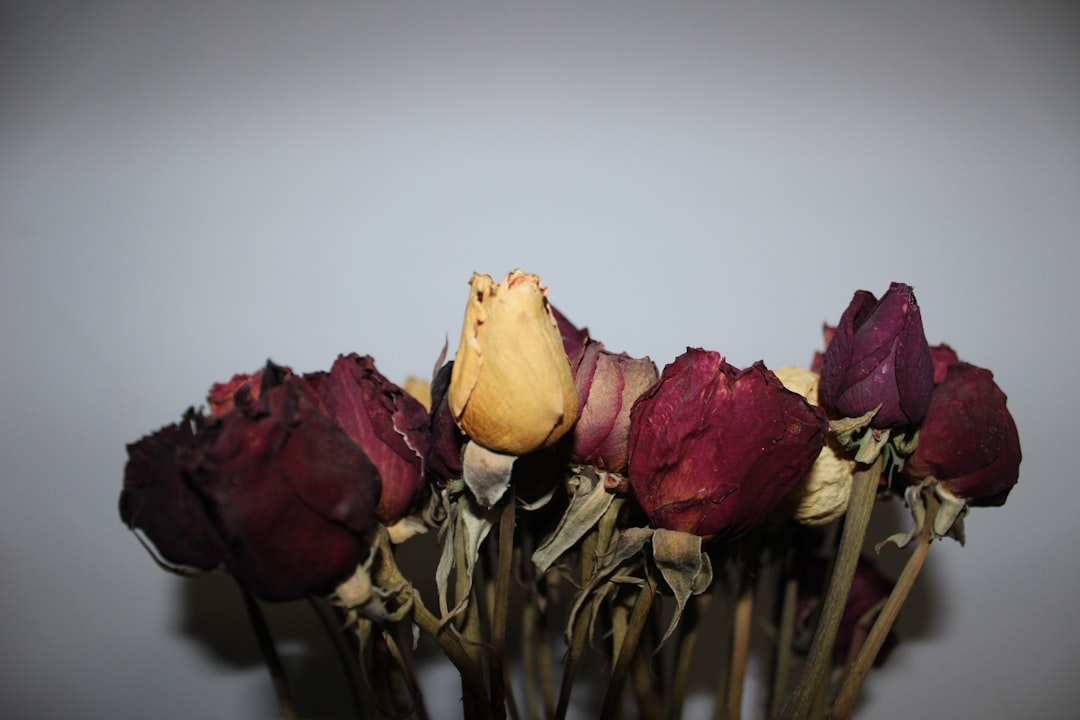
Results vary by microwave and rose type, so test with one bloom first. Overheating causes scorching; underheating leaves pockets of moisture. Once you find the right time for your microwave, this method delivers excellent color retention comparable to slow silica drying.
Practical Tips for Color That Lasts
The method is only part of the equation. These habits extend the life and vividness of dried roses significantly:
- Start with fresh, healthy flowers. Dry roses at peak bloom — just before they fully open. Older blooms shed petals and fade faster during drying.
- Cut in the morning. Sugar content in stems is highest in the morning, which contributes to petal structure and firmness after drying.
- Apply a color sealant. A light mist of hairspray or a dedicated floral sealant (like Mod Podge Spray) after drying helps lock pigment and reduce brittleness.
- Store away from UV light. Even after drying, anthocyanins continue to degrade in sunlight. Display dried roses in areas without direct sun exposure.
- Keep them dry. Humidity is the enemy of preserved flowers. In climates with hot summers, store dried arrangements in a low-humidity room or use a small silica packet in the display container.
From an environmental standpoint, reusing silica gel, sourcing roses from local growers or your own garden, and avoiding aerosol sealants (opt for brush-on alternatives) all reduce waste. Dried flowers are themselves a sustainable choice — a $15 bouquet preserved properly can last 1–3 years, replacing the need for multiple fresh purchases.
Which Method Should You Choose?
Here’s a simple breakdown to match your situation:
- Best color retention: Silica gel (slow or microwave method)
- Lowest cost: Air drying (essentially free)
- Best for crafts and art: Pressing
- Fastest results: Microwave silica method (~24 hours total)
- Best for dark red roses: Any method — they’re the most forgiving
- Most challenging to preserve: White and pale pink roses, which brown easily; silica gel is strongly recommended
Frequently Asked Questions
How long does it take to dry roses while keeping their color?
With silica gel, roses dry in 3–7 days with excellent color retention. Air drying takes 2–3 weeks and results in some natural fading. The microwave-silica method can complete the process in about 24 hours.
Do dried roses keep their color permanently?
Not permanently, but properly dried and stored roses can retain vibrant color for 1–3 years. Exposure to sunlight, humidity, and dust are the main factors that cause fading over time. A UV-protective glass display case significantly extends color life.
What is the best way to dry red roses and keep their color?
Red roses respond well to silica gel drying, which preserves deep crimson tones better than air drying. Deep red and burgundy varieties are the most colorfast of all rose colors and hold up reasonably well even with simple air drying.
Can I use Epsom salt instead of silica gel to dry roses?
Epsom salt (magnesium sulfate) is sometimes suggested as a substitute, but it absorbs moisture far more slowly than silica gel and can cause uneven drying. It is not recommended if color preservation is the goal. Cornmeal mixed with borax is a closer traditional alternative, but still inferior to silica gel for pigment retention.
Should I spray dried roses with anything to preserve them?
Yes — a light coat of hairspray or floral sealant after drying helps lock in color and reduce brittleness. Hold the spray 12 inches from the bloom and apply in a single light pass. Avoid soaking the petals, which can cause them to absorb moisture and go limp.
Ready to Preserve Your Next Bouquet?
Pick up a bag of silica gel on your next grocery or craft store run — it costs less than a coffee and lasts for years with proper care. The next time you receive roses worth keeping, or cut the last blooms from your garden before frost, you’ll be ready. Your dried roses, color intact, can become a centerpiece, a framed piece, a gift, or simply a reminder of a moment preserved exactly as you remember it.