Can You Freeze Flowers to Preserve Them? The Honest Answer
Contents:
- Why Regular Freezing Fails and Freeze-Drying Succeeds
- The Science Behind the Difference
- When Freeze-Drying Makes Sense for Your Event
- Practical Alternatives to Freeze-Drying at Home
- Silica Gel Drying
- Flower Pressing
- Glycerin Preservation
- Choosing the Right Freeze Flowers Preservation Method for Your Timeline
- What to Avoid
- FAQ: Freezing and Preserving Flowers
- Can you freeze fresh flowers to preserve them at home?
- How long do freeze-dried flowers last?
- How much does professional flower freeze-drying cost?
- What flowers freeze-dry best?
- Is silica gel better than air-drying flowers?
- Planning Your Preservation Before the Event
Most flowers put in a regular freezer come out looking like they spent a week in a puddle. That’s the honest truth nobody tells you until after you’ve ruined a $60 bouquet. Freeze flowers preservation is absolutely real — but it requires a specific process called freeze-drying, not simply bagging blooms and sticking them in the freezer next to your ice cream. Understanding the difference before your wedding, memorial, or event saves both money and heartbreak.
Why Regular Freezing Fails and Freeze-Drying Succeeds
Flower petals are mostly water — roses are roughly 85–90% water by weight. When you freeze a flower in a standard home freezer, that water forms large ice crystals inside the cell walls. When the flower thaws, those ruptured cells collapse, turning petals translucent, limp, and brown-edged within 30–60 minutes. The color drains. The shape goes slack. You’re left with a soggy shadow of the original bloom.
Freeze-drying works differently. The process — technically called lyophilization — freezes the flower rapidly, then uses a vacuum chamber to convert the ice directly into vapor without passing through a liquid stage. No liquid means no cell rupture. The result is a flower that retains up to 95% of its original color and maintains its three-dimensional structure. A properly freeze-dried rose can last 10 to 25 years with minimal care.
The Science Behind the Difference
Standard freezers operate around 0°F (-18°C) and freeze slowly, producing large, damaging ice crystals. Commercial freeze-dryers drop temperatures to around -40°F to -50°F almost instantly, then apply vacuum pressures between 100–200 millitorr to pull moisture out through sublimation. The whole cycle takes 24 to 48 hours per batch. That’s why you can’t replicate it at home without specialized equipment costing $2,000 or more for entry-level units.
When Freeze-Drying Makes Sense for Your Event
Freeze-drying isn’t the right answer for every situation. It’s a premium service with a price tag to match. For context, professional freeze-drying services in the US typically charge $150–$400 per arrangement depending on size and complexity, with a turnaround time of 6 to 12 weeks.
It earns that price for specific use cases:
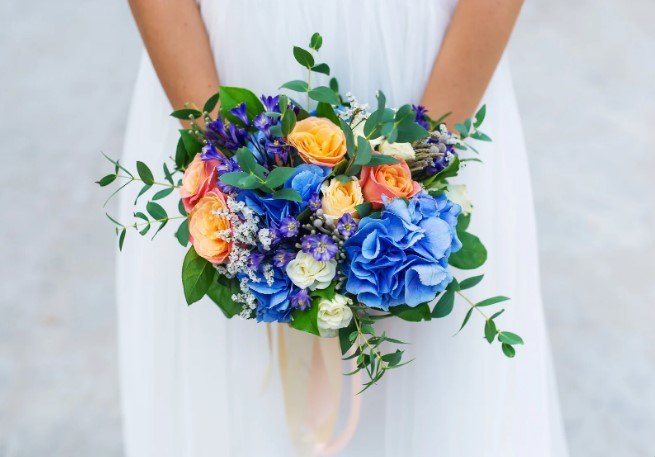
- Wedding bouquets — The most common use case. A $300–$500 bridal bouquet becomes a permanent keepsake rather than compost.
- Memorial flowers — Funeral arrangements or flowers from a graveside service can be preserved as a tangible memory.
- Milestone event centerpieces — Anniversary flowers, milestone birthday arrangements, or flowers from a significant occasion.
- Specialty or rare blooms — Garden roses, peonies, or unusual varieties that can’t easily be replaced or replicated.
If your budget doesn’t stretch to professional freeze-drying, the good news is that two DIY methods genuinely work: silica gel drying and flower pressing.
Practical Alternatives to Freeze-Drying at Home
Silica Gel Drying
Silica gel is the most effective home preservation method. Bury flowers completely in silica gel crystals — available at craft stores like Michaels for around $10–$15 per pound — in an airtight container. Leave roses for 5–7 days, delicate flowers like pansies for 2–3 days. The gel absorbs moisture from the petals without the cell damage that water-based freezing causes. Colors stay vivid. Shapes stay three-dimensional.
One pound of silica gel handles roughly 3–4 average-sized blooms at once. After drying, seal finished flowers in a shadowbox or under a glass cloche — exposed dried flowers absorb ambient moisture and degrade within months in humid climates.
Flower Pressing
Pressing sacrifices dimension for longevity. A well-pressed flower sealed under UV-protective glass can last decades. Place flowers between two sheets of parchment paper inside a heavy book, add weight on top, and wait 2–4 weeks. The result is flat but beautiful — ideal for framed art pieces, greeting cards, resin jewelry, or botanical displays. Flat flowers like cosmos, larkspur, and pansies press better than dimensional blooms like roses or peonies.
Glycerin Preservation
Glycerin preservation works especially well for foliage and woody stems. Mix one part glycerin with two parts warm water, cut stem ends at a 45-degree angle, and submerge stems in the solution for 2–6 weeks. The plant material absorbs glycerin, replacing water in the cells. Leaves turn slightly darker and take on a soft, pliable feel — they won’t crumble. This method doesn’t work as well for delicate petals but is excellent for eucalyptus, magnolia leaves, and ferns.
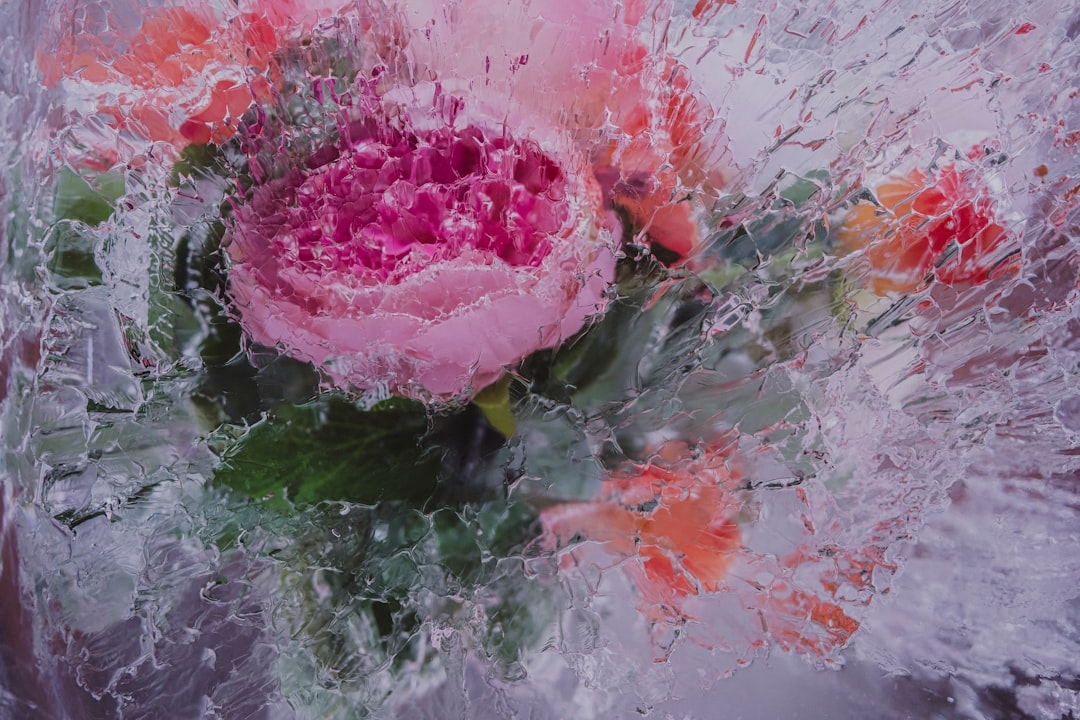
Choosing the Right Freeze Flowers Preservation Method for Your Timeline
Your event date and post-event schedule matter. Here’s a practical breakdown:
- 6+ weeks after event: Professional freeze-drying is viable. Ship flowers within 48 hours of the event.
- 2–4 weeks after event: Silica gel drying is your best bet. Start within 24 hours of the event for best color retention.
- Ongoing / no deadline: Pressing works on your schedule and requires no special materials.
- Need results fast: Microwave silica gel drying can produce results in 2–5 minutes per bloom, though with more risk of scorching.
What to Avoid
A few common mistakes that guarantee poor results:
- Freezing flowers in a plastic bag in your home freezer — this ruins them. Even a very brief thaw causes irreversible cell damage.
- Waiting too long after an event — wilted flowers preserve poorly regardless of method. Start within 24 hours for best results.
- Air-drying roses upside down in a vase — this works but produces brittle, faded flowers that shed petals easily. It’s a last resort, not a plan.
- Skipping a sealant — dried flowers need a finishing spray of acrylic sealant or lacquer to slow moisture reabsorption. Without it, expect a lifespan of months, not years.
FAQ: Freezing and Preserving Flowers
Can you freeze fresh flowers to preserve them at home?
Not effectively. A standard home freezer damages flower cells through ice crystal formation. When the flowers thaw, petals become limp, discolored, and mushy. Home freezers cannot replicate the vacuum and ultra-low temperature conditions of professional freeze-drying equipment.
How long do freeze-dried flowers last?
Professionally freeze-dried flowers last 10 to 25 years when stored away from direct sunlight, humidity, and heat. Displayed in a sealed shadowbox or glass dome, many arrangements remain vibrant for decades.
How much does professional flower freeze-drying cost?
Most US-based services charge between $150 and $400 per arrangement. Wedding bouquet preservation typically runs $200–$350. Turnaround time is usually 6 to 12 weeks due to the length of the drying cycle.
What flowers freeze-dry best?
Roses, peonies, ranunculus, and dahlias freeze-dry exceptionally well due to their dense petal structure. Delicate flowers like lily of the valley or sweet peas are more fragile but can still be preserved successfully by experienced professionals.
Is silica gel better than air-drying flowers?
Yes, significantly. Silica gel preserves color and shape far better than air-drying. Air-dried flowers typically fade to muted tones and become brittle. Silica gel drying takes 3–7 days and produces results close to the original bloom’s appearance.
Planning Your Preservation Before the Event
The best preservation outcomes start with a plan made before the flowers even arrive. Research local or mail-in freeze-drying services now — services like Freeze Frame Florals, Forever Florals, or local floral preservation studios book out weeks in advance around wedding season (May through October). If you’re planning a spring or fall event, contact a preservation service 4–6 weeks ahead to reserve a spot.
For DIY routes, buy your silica gel before the event so it’s ready the morning after. Have a sealed container prepped and waiting. That 24-hour window between event and preservation start is the difference between a vibrant keepsake and a brown, wilted disappointment. Preparation costs nothing — but skipping it costs you the flowers.