Can You Use Bleach to Keep Flowers Fresh? Here’s What Actually Works
Contents:
- Why Do Cut Flowers Die So Fast?
- How to Use Bleach to Keep Flowers Fresh: The Exact Method
- The Basic Bleach and Water Recipe
- What Kind of Bleach to Use
- Does Bleach Actually Work? Real Results to Expect
- A Reader’s Story: The Wedding Centerpiece Rescue
- Bleach vs. Other DIY Flower Fresheners
- Practical Tips for Getting the Most Out of Your Blooms
- FAQ: Bleach and Flower Freshness
- How much bleach do I put in flower water?
- Will bleach kill my flowers?
- How often should I change the bleach water in my flower vase?
- Can I use bleach on all types of flowers?
- Is the bleach method as good as commercial flower food?
- Make Your Next Bouquet Last
You bring home a gorgeous bouquet — maybe sunflowers with petals the color of late afternoon sun, or blush-pink roses still tight in the bud. You trim the stems, fill a vase with cool water, and set them on the kitchen table. Two days later, the water is cloudy and murky, the stems have gone soft, and half the blooms are drooping. Sound familiar?
Here’s the thing most people don’t know: that cloudy water is the real enemy. It’s teeming with bacteria that clog your flower stems and cut off their water supply. And one of the simplest fixes for it has been sitting under your kitchen sink the whole time — bleach.
Yes — a tiny amount of bleach keeps cut flowers fresh by killing the bacteria that cloud vase water and block stems. The standard ratio is ¼ teaspoon of plain household bleach per quart of water. That’s it. Used correctly, it can extend vase life by 2–5 days compared to plain water alone.
Why Do Cut Flowers Die So Fast?
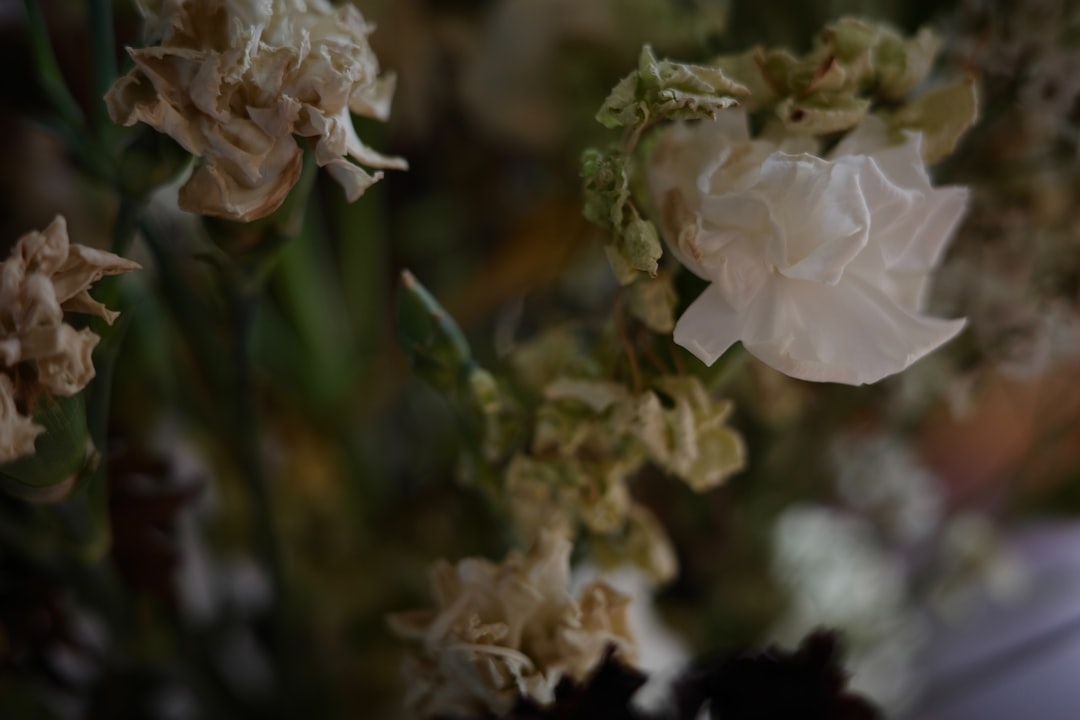
Once a flower is cut, it’s in survival mode. It no longer has roots pulling moisture from soil — it’s relying entirely on its stem to drink water from the vase. The moment bacteria start multiplying in that water, they form a slimy biofilm that physically plugs the vascular tissue inside the stem. Water can’t travel up. The flower wilts, even if the vase is still full.
Studies from floral industry researchers have shown that bacterial populations in an untreated vase can double every 20 minutes at room temperature. Within 24 hours, a single stem sitting in plain tap water is already fighting a losing battle against millions of microbes.
That’s why commercial flower preservatives — those little packets you get with grocery store bouquets — contain three things: sugar (food for the flower), an acidifier (to help water move up the stem), and a biocide (to kill bacteria). Bleach handles that last job surprisingly well.
How to Use Bleach to Keep Flowers Fresh: The Exact Method
Getting this right comes down to one word: dilution. You are not cleaning a bathtub. You need just enough bleach to suppress bacterial growth without damaging the flower tissue.
The Basic Bleach and Water Recipe
- ¼ teaspoon (1.25 ml) of plain, unscented household bleach (like Clorox Regular)
- 1 quart (4 cups / ~950 ml) of cool, clean water
- Optional but effective: add 1 teaspoon of sugar to give the flowers a carbohydrate boost
Mix the solution directly in the vase before adding your flowers. Change the water every two days, making a fresh batch each time. Always re-cut the stems at a 45-degree angle before placing them back — this exposes fresh tissue and improves water uptake immediately.
What Kind of Bleach to Use
Only use plain, unscented chlorine bleach with sodium hypochlorite as the active ingredient (typically 3–6% concentration for regular household bleach). Avoid splashless formulas, scented versions, or any bleach marketed as “color-safe” — these contain additives that can harm flowers or leave residue. Generic store brands work just as well as name brands here.
Professional florists often combine bleach with a copper penny in the vase. Copper naturally releases small ions that act as an additional antimicrobial agent. It’s not a substitute for the bleach solution, but florists who manage large inventories swear by the combination for keeping wholesale roses and lilies looking showroom-fresh for up to a week.
Does Bleach Actually Work? Real Results to Expect
Used at the right concentration, bleach flowers fresh results are noticeable. Expect 2–5 extra days of vase life compared to plain tap water. Flowers that typically last 5 days in plain water can often reach 8–10 days in a properly maintained bleach solution — especially hardy varieties like carnations, chrysanthemums, and alstroemeria.
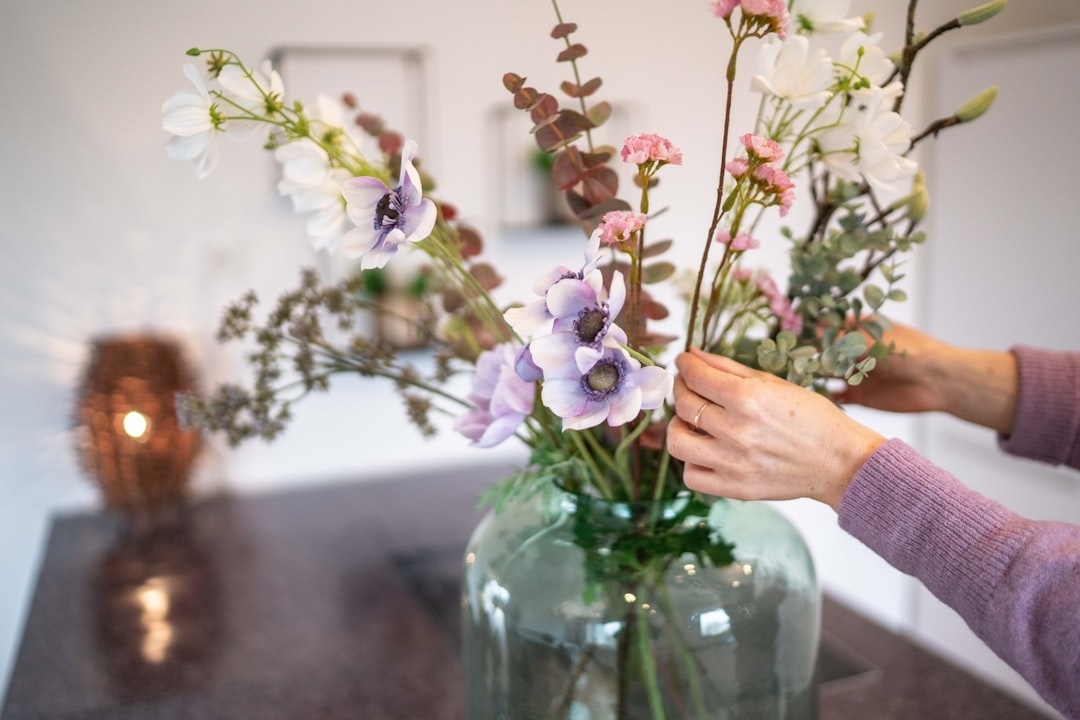
Delicate flowers like sweet peas or anemones are more sensitive. Start at the lower end — just a small pinch, barely ⅛ teaspoon per quart — and watch for any browning at the petal edges, which is the first sign the concentration is too strong.
A Reader’s Story: The Wedding Centerpiece Rescue
A woman named Carla was arranging flowers for her sister’s backyard wedding — 15 mason jar centerpieces filled with white hydrangeas and eucalyptus, assembled two days before the event. By the morning of the wedding, half the hydrangeas had wilted and the water had turned green. Her neighbor, a retired florist, told her to dump the water, add a fresh bleach solution, and re-cut every stem. Within four hours, all but two of the arrangements had perked back up. The wedding photos looked beautiful. The lesson: it’s not too late to fix cloudy vase water, and bleach is often the fastest solution.
Bleach vs. Other DIY Flower Fresheners
The internet is full of flower hacks — apple cider vinegar, aspirin, lemon-lime soda, even vodka. How does bleach compare?
- Aspirin: Acidifies the water slightly, which helps stem uptake, but doesn’t kill bacteria. Best used alongside bleach, not instead of it.
- Lemon-lime soda (like Sprite): The sugar feeds flowers and citric acid lowers pH, but the carbonation dissipates quickly and sugar can encourage bacterial growth without an antimicrobial agent.
- Apple cider vinegar: Some antimicrobial properties, but weak compared to bleach and the acidity level is harder to control.
- Commercial flower food packets: The most balanced option — they contain all three ingredients (sugar, acidifier, biocide). If you have them, use them. If you don’t, the bleach-plus-sugar method is the closest DIY equivalent.
Practical Tips for Getting the Most Out of Your Blooms
- Location matters: Keep flowers away from direct sunlight, heating vents, and fruit bowls. Ripening fruit emits ethylene gas, which accelerates flower aging — even a nearby bowl of bananas can shorten vase life by 1–2 days.
- Cool nights extend life: Move your vase to a cooler room overnight (ideally 50–60°F). Florists store flowers at 34–38°F for a reason.
- Remove foliage below the waterline: Any leaves sitting in water decompose quickly and feed bacterial growth. Strip them before the stems even hit the vase.
- Re-cut stems every time you change the water: Even a ½-inch fresh cut makes a measurable difference in water absorption.
FAQ: Bleach and Flower Freshness
How much bleach do I put in flower water?
Use ¼ teaspoon of plain, unscented bleach per quart (4 cups) of water. This is enough to inhibit bacterial growth without damaging petals or stems.
Will bleach kill my flowers?
At the correct dilution — ¼ teaspoon per quart — bleach will not harm flowers. Too much bleach (over 1 teaspoon per quart) can bleach petals and damage stem tissue, so always measure carefully rather than eyeballing it.
How often should I change the bleach water in my flower vase?
Every two days is ideal. Each time you change the water, make a fresh bleach solution and trim the stems by at least ½ inch before returning the flowers to the vase.
Can I use bleach on all types of flowers?
Most common cut flowers — roses, lilies, carnations, tulips, daisies — tolerate the standard dilution well. Very delicate flowers like sweet peas or ranunculus may be more sensitive; use half the standard amount and monitor for petal browning.
Is the bleach method as good as commercial flower food?
Close, but not identical. Commercial flower food contains sugar and an acidifier in addition to a biocide. To match it more closely, add 1 teaspoon of sugar to your bleach solution. For most casual home arrangements, the DIY version works nearly as well at a fraction of the cost.
Make Your Next Bouquet Last
Using bleach to keep flowers fresh isn’t a gimmick — it’s basic microbiology applied to something you love looking at. Clear water, trimmed stems, and a quarter teaspoon of bleach can take your $12 grocery store bouquet from a two-day disappointment to a week-long centerpiece.
Start with your next bouquet. Mix the solution before you even unwrap the flowers. Strip the lower leaves, make a fresh diagonal cut, and set them in the vase. Then check back in a week and see how different the results are. Once you try it, plain water will feel like leaving money on the table.