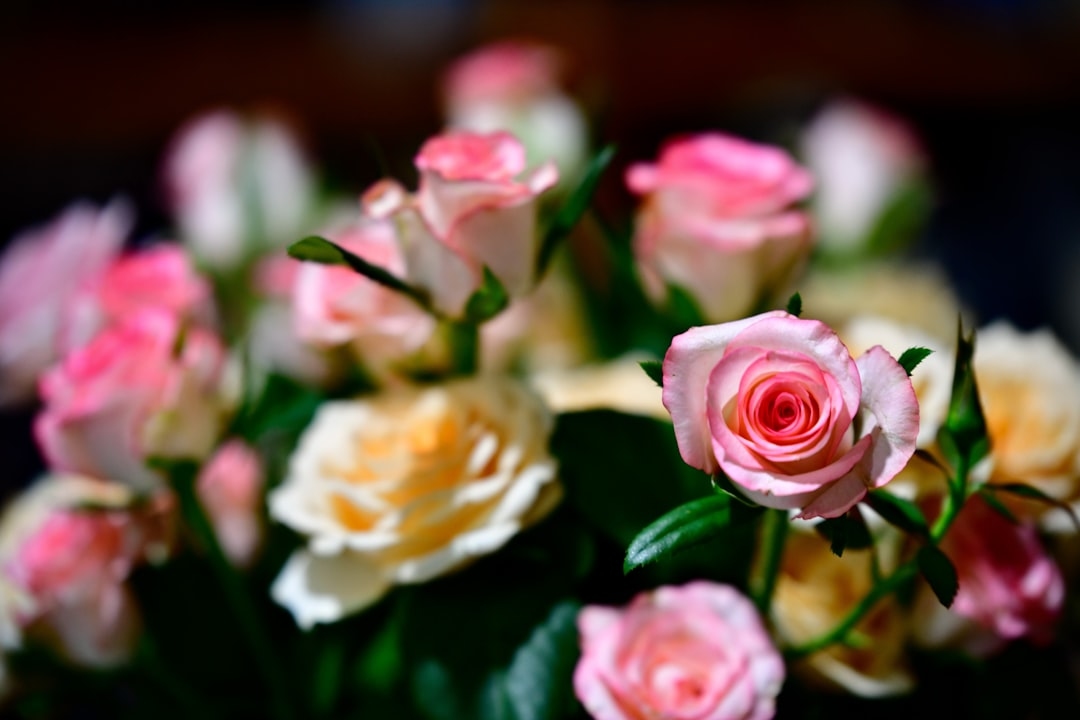
Can You Grow Flowers from a Bouquet?
Contents:
- Why Trying to Root Bouquet Stems Is Worth It
- Which Bouquet Flowers Can Actually Be Propagated?
- Good Candidates for Rooting
- Flowers That Won’t Root from Cuttings
- How to Grow Flowers from a Bouquet: Step-by-Step
- Bouquet Cuttings vs. Nursery Transplants: A Real Comparison
- Practical Tips for Small Space and Apartment Growers
- Sustainability Note: Propagation as a Zero-Waste Habit
- Frequently Asked Questions
- Can you grow roses from a bouquet cutting?
- How long does it take for bouquet cuttings to root?
- Can you root flowers in water instead of soil?
- Do you need rooting hormone to propagate bouquet flowers?
- Will grocery store bouquet flowers root as well as florist flowers?
- Start with One Stem This Week
In Victorian England, receiving a flower cutting was considered a meaningful gift — sometimes more personal than the bouquet itself. Gardeners would carefully snip stems from arrangements and coax them into new life on windowsills and in kitchen gardens. That practice hasn’t lost its logic. Today, learning to grow flowers from a bouquet is both a money-saving skill and a small act of sustainability.
Why Trying to Root Bouquet Stems Is Worth It
Fresh-cut flowers from US florists typically cost $40–$80 per arrangement. Once they fade, most people toss the stems. But several of those stems are still biologically capable of forming roots — you’re discarding potential plants. For apartment dwellers with a windowsill or a small balcony, a single successful cutting can give you a potted plant that blooms for years.
There’s an eco-friendly angle here too. Cut flower supply chains are notoriously resource-intensive: roughly 80% of flowers sold in the US are imported, primarily from Colombia and Ecuador, traveling thousands of miles by air freight. Propagating even one stem reduces your future reliance on that cycle.
Which Bouquet Flowers Can Actually Be Propagated?
This is where most guides go vague. Here’s a specific breakdown:
Good Candidates for Rooting
- Roses: Hybrid tea and garden roses root well. Avoid florist roses that are heavily treated with preservatives — rinse stems thoroughly first.
- Chrysanthemums: One of the easiest. Stem cuttings root within 2–3 weeks under normal indoor conditions.
- Carnations (Dianthus): Root readily in water or soil. Use a 4–6 inch cutting just below a leaf node.
- Lavender: Works well from softwood cuttings. Requires good drainage — critical in pots.
- Hydrangeas: Can root from bouquet stems, though success rates are lower (~50–60%). Use a node cutting with 2–3 leaf pairs.
- Geraniums (Pelargoniums): Root aggressively in water or soil within 2 weeks.
Flowers That Won’t Root from Cuttings
- Tulips, daffodils, hyacinths: These are bulb-grown. A cut stem has no bulb tissue — it will not root.
- Lilies: Propagated from scales or bulbils, not stem cuttings.
- Sunflowers: Annual plants grown from seed. Cut stems will not produce roots.
- Peonies: Extremely difficult even under professional conditions. Not worth attempting from a bouquet cutting.
How to Grow Flowers from a Bouquet: Step-by-Step
Timing matters. The fresher the cutting, the better the odds. Work with stems within the first 2–3 days of receiving the bouquet, before cellular dehydration sets in.
- Select your stem: Choose a healthy stem, 4–6 inches long, with at least two leaf nodes. Avoid stems with yellowing leaves or soft spots.
- Make a clean cut: Use sharp, clean scissors or pruning shears. Cut at a 45° angle just below a leaf node. This maximizes the surface area for root development.
- Strip lower leaves: Remove all leaves from the bottom half of the stem. Leaves left below soil or waterline will rot and introduce bacteria.
- Apply rooting hormone: Dip the cut end in powdered or gel rooting hormone (available at Home Depot or online for $6–$10). This contains IBA (indole-3-butyric acid), which stimulates root cell development. Not mandatory, but it improves success rates by roughly 30–40%.
- Plant or place in water: For soil propagation, use a small pot (4-inch works well for apartment use) filled with a mix of perlite and potting soil at a 1:1 ratio. Water propagation works for some species — roses and geraniums respond well to it.
- Create humidity: Cover loosely with a clear plastic bag or an inverted plastic bottle. This keeps moisture around the cutting without soaking the soil. Remove it for 30 minutes daily to prevent mold.
- Place in indirect light: A north- or east-facing windowsill works well. Direct sun will stress the cutting before roots form.
- Wait and check: After 3 weeks, give the stem a very gentle tug. Resistance means roots are forming. Most cuttings root fully within 3–6 weeks.
Bouquet Cuttings vs. Nursery Transplants: A Real Comparison
People sometimes confuse propagating from cuttings with simply repotting a nursery plant. These are completely different processes with different outcomes:
- Nursery transplant: The plant already has a developed root system. You’re moving it into a new container. Success rate near 95%. Costs $5–$15 per plant.
- Bouquet cutting: You’re generating an entirely new root system from stem tissue. Success rates range from 40–80% depending on species and technique. Cost: essentially $0, using materials you likely already have.
The tradeoff is time and attention. A nursery transplant is ready to grow in days. A bouquet cutting needs 4–8 weeks before it’s an established plant. For apartment gardeners with patience and limited budgets, the cutting route pays off considerably over time.
Practical Tips for Small Space and Apartment Growers
- Start with chrysanthemums or carnations. Both tolerate indoor conditions well and root fast — ideal for beginners with no outdoor space.
- Use 4-inch biodegradable pots. These reduce repotting stress and are compostable — a small but meaningful eco choice.
- A heat mat helps. Soil temperature of 65–75°F accelerates root development. A basic seedling heat mat costs around $20 and fits on a countertop.
- Label everything. Bouquet cuttings often look identical once leaves are stripped. A strip of masking tape and a marker costs nothing and saves confusion.
- Don’t overwater. The most common failure isn’t lack of roots — it’s root rot from soggy soil. Water only when the top inch of soil is dry.
- Skip tap water if possible. Chlorinated tap water can inhibit rooting in sensitive species like roses. Let tap water sit uncovered for 24 hours before use, or use filtered water.
Sustainability Note: Propagation as a Zero-Waste Habit

If you receive flowers regularly — Valentine’s Day arrangements, birthday bouquets, or weekly grocery store bunches — propagating cuttings turns a disposable purchase into a renewable one. A single rooted rose cutting, properly cared for in a pot, can live 10–15 years. Over that time, it will produce dozens of blooms that never needed to be shipped from South America. That’s a meaningful reduction in your personal flower-buying footprint, even from a studio apartment.
Frequently Asked Questions
Can you grow roses from a bouquet cutting?
Yes. Roses are one of the most commonly propagated bouquet flowers. Use a 6-inch stem cutting, dip in rooting hormone, and plant in a 1:1 mix of perlite and potting soil. Keep humidity high with a plastic bag tent. Roots typically form in 4–6 weeks.
How long does it take for bouquet cuttings to root?
Most bouquet flower cuttings root within 3–6 weeks under indoor conditions. Chrysanthemums and carnations root faster (2–3 weeks); roses and hydrangeas take longer (4–6 weeks). Using rooting hormone and a heat mat speeds up the process.
Can you root flowers in water instead of soil?
Yes, for some species. Roses, geraniums, and carnations root reasonably well in water. Place the stripped stem in a glass of room-temperature water, change the water every 2 days, and transplant to soil once roots reach ½ inch. Water rooting tends to produce weaker initial roots than soil propagation.
Do you need rooting hormone to propagate bouquet flowers?
No, but it significantly improves success rates — particularly for roses and hydrangeas. Rooting hormone products containing IBA (indole-3-butyric acid) are available for $6–$10 at most garden centers. For easy-rooting species like chrysanthemums, it’s optional.
Will grocery store bouquet flowers root as well as florist flowers?
Often yes — and sometimes better. Grocery store flowers are typically less treated with preservatives than high-end florist arrangements. The key variable is freshness: buy stems that are just opening, not fully bloomed, and propagate within 48 hours of purchase for best results.
Start with One Stem This Week
You don’t need a garden, a greenhouse, or any special equipment. A 4-inch pot, a bag of perlite, and a $7 bottle of rooting hormone is all it takes to turn a fading bouquet into something that keeps growing. Pick one stem — a rose, a chrysanthemum, a carnation — and give it a try. The worst outcome is a failed cutting you were going to compost anyway. The best outcome is a plant on your windowsill that blooms next spring.