How to Store Flowers Overnight Before an Event (And Keep Them Looking Perfect)
Contents:
- Why Overnight Storage Makes or Breaks Your Flowers
- The Best Temperature Range to Store Flowers Overnight
- Using Your Refrigerator the Right Way
- No Room in the Fridge? Apartment-Friendly Alternatives
- How to Prepare Stems Before Overnight Storage
- How to Store Flowers Overnight for an Event: Room-by-Room Guide
- Northeast and Midwest
- Southeast and Gulf Coast
- West Coast and Southwest
- Keeping Arrangements Intact Overnight
- Practical Tips to Maximize Freshness the Morning of Your Event
- FAQ: Storing Flowers Overnight Before an Event
- Can I store flowers overnight without a refrigerator?
- How long can cut flowers stay fresh overnight?
- Should I put flowers in water overnight?
- Can I store a bridal bouquet in the fridge overnight?
- What flowers should NOT be refrigerated overnight?
- Get Your Flowers to the Finish Line
Cut flowers can lose up to 30% of their vase life in the first 24 hours if stored incorrectly — and most of that damage happens overnight. That’s the kind of statistic that haunts a person the morning of a wedding, a birthday dinner, or a carefully planned dinner party. The good news? A few deliberate steps the night before can mean the difference between drooping stems and a showstopping arrangement.
- Re-cut stems at a 45° angle under cool water.
- Strip leaves below the waterline.
- Place flowers in a clean bucket or tall container with 3–4 inches of cool (not cold) water mixed with floral preservative.
- Store in the coolest spot in your home — ideally 34°F to 38°F — away from fruit, direct sunlight, and heating vents.
- Keep blooms loosely wrapped in damp newspaper or plastic if they’re already arranged.
Read on for room-by-room storage tips, variety-specific guidance, and what to do if you only have a studio apartment.
Why Overnight Storage Makes or Breaks Your Flowers
Flowers are living things. Once cut, they’re in a race against time — and overnight is often when amateur flower handlers lose that race. Warm rooms accelerate ethylene gas production, which triggers petal drop and wilting. A single overripe banana on your counter releases enough ethylene to shorten a bouquet’s life by a full day. Proximity to a heating vent can do the same.
Understanding this biology flips your approach from passive (“just put them in water”) to active. You’re not just storing flowers; you’re managing their environment for roughly 8–12 hours so they arrive at your event at their peak.
The Best Temperature Range to Store Flowers Overnight
Professional florists store cut flowers between 34°F and 38°F — just above freezing. That range slows cellular respiration, reduces water loss through petals, and suppresses bacterial growth in the water. Your home refrigerator typically runs at 35°F to 38°F, which makes it genuinely useful — with one big caveat.
Using Your Refrigerator the Right Way
Most home fridges contain fruit, which off-gasses ethylene. Before storing flowers overnight, move apples, bananas, pears, and avocados to a different shelf or a cooler. Place flowers in a tall container in the crisper drawer or on the lowest shelf where temperatures are most stable. Leave the stems in at least 3 inches of water. Remove the door every few hours? No — just leave them alone. Opening and closing the fridge creates temperature swings.
Tropical blooms like birds of paradise, anthuriums, and orchids are the exception: they suffer chilling injury below 50°F and should never go in the refrigerator. Store those in a cool interior room instead, ideally between 55°F and 65°F.
No Room in the Fridge? Apartment-Friendly Alternatives
Living in a small apartment often means a refrigerator packed with food and zero extra shelf space. Work with what you have. A cool bathroom (often the coldest room in an apartment), an entryway closet away from exterior walls, or even a kitchen floor away from appliances can work well. The target is any spot consistently below 65°F. In a New York City studio in January, a windowsill with the window cracked open a half inch can easily hit that temperature overnight. Measure with a cheap thermometer before trusting it.
How to Prepare Stems Before Overnight Storage
Storage conditions matter far less if the stems aren’t prepped correctly. This is where most people leave performance on the table.
- Re-cut at a 45° angle — this increases the surface area for water uptake. Use sharp scissors or a floral knife, never dull kitchen shears that crush the vascular tissue.
- Cut underwater if possible — submerging the stem end before cutting prevents an air bubble from sealing the cut.
- Strip foliage below the waterline — any leaf sitting in water rots within hours and introduces bacteria that clog stems.
- Use a clean container — bacteria from yesterday’s tap water is one of the primary causes of premature wilting. Rinse with a diluted bleach solution (1 tablespoon per quart of water), rinse again, then fill fresh.
- Add floral preservative — a commercial packet (the kind that comes with grocery store bouquets) contains sugar for energy, acidifier to improve water uptake, and biocide to limit bacterial growth. A homemade substitute: 1 tablespoon sugar + 1 tablespoon white vinegar + 1 quart water.
How to Store Flowers Overnight for an Event: Room-by-Room Guide
The right overnight storage spot depends entirely on your home’s layout and your local climate — and regional differences matter more than people realize.
Northeast and Midwest
Cold winters mean unheated garages, mudrooms, and entryways can function like a walk-in cooler from November through March. A garage that stays between 35°F and 45°F overnight is ideal. Just watch for freezing: below 32°F will damage most blooms within hours, with delicate petals like ranunculus and anemones showing damage first.
Southeast and Gulf Coast
Humidity above 70% accelerates mold on petals, especially on roses and gardenias. In humid Southern climates, refrigerator storage is almost always the better choice overnight. If you must store flowers in a room, run a dehumidifier nearby and keep a small fan on low to circulate air — stagnant humidity is the enemy.
West Coast and Southwest
Dry climates in states like Arizona and Nevada can desiccate petals overnight even at cool temperatures. Loosely wrap bouquet heads in a damp paper towel and then in plastic wrap before refrigerating. This traps just enough humidity around the blooms without creating condensation that promotes rot.
Keeping Arrangements Intact Overnight
Already-arranged flowers — corsages, centerpieces, hand-tied bouquets — need slightly different handling than loose stems in a bucket.
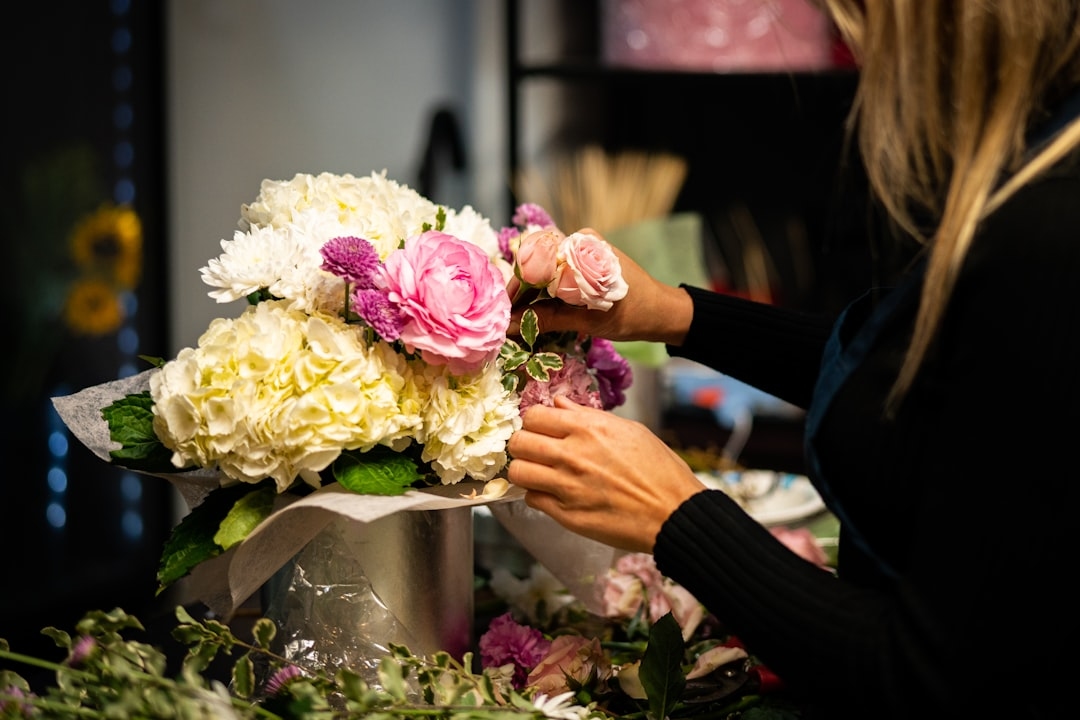
For a hand-tied bouquet: wrap the stems in a damp paper towel, then in plastic wrap, and lay it flat in the refrigerator on a shelf lined with a dry towel. Mist the petals lightly with water, but avoid soaking them. For foam-based arrangements: keep the foam thoroughly wet and cover the entire arrangement loosely with a plastic bag to prevent dehydration. Don’t seal it — trapped condensation drips back onto petals and creates spotting.
Corsages and boutonnieres do best in a shallow container with a half inch of water in the bottom of an open plastic container, stored in the fridge. Many florists recommend placing a damp cotton ball near the blooms (not touching them) to maintain local humidity without direct moisture contact.
Practical Tips to Maximize Freshness the Morning of Your Event
- Take flowers out of the refrigerator at least 1–2 hours before the event so they can acclimate gradually. Cold flowers “wake up” slowly.
- Give stems a fresh cut and a drink of room-temperature water the morning of. Even 30 minutes of drinking before transport makes a visible difference.
- Transport in a cool car — air conditioning on, never in a hot trunk. A 90°F car interior for 20 minutes can undo 12 hours of careful overnight storage.
- Keep a small spray bottle of water handy for touch-ups on-site.
FAQ: Storing Flowers Overnight Before an Event
Can I store flowers overnight without a refrigerator?
Yes. The key is finding the coolest spot in your home — ideally below 65°F — away from fruit, direct sunlight, and heat vents. An unheated entryway, cool bathroom, or basement shelf can work well. Keep stems in fresh water with floral preservative and loosely cover the blooms.
How long can cut flowers stay fresh overnight?
Most cut flowers stored properly at 35°F–38°F will last 8–16 hours overnight without significant quality loss. Hardier varieties like chrysanthemums, carnations, and alstroemeria hold up better than delicate ones like sweet peas or lily of the valley, which may show stress after 8–10 hours at room temperature.
Should I put flowers in water overnight?
Absolutely. Cut flowers should always be stored with their stems submerged in at least 3–4 inches of cool, clean water mixed with floral preservative. Never let stems dry out overnight — even a few hours without water can cause irreversible wilting in soft-stemmed varieties.
Can I store a bridal bouquet in the fridge overnight?
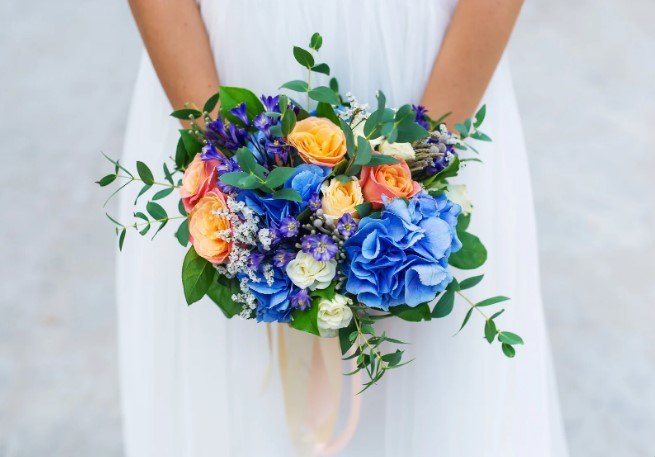
Yes, and most professional florists recommend it. Wrap stems in a damp paper towel and plastic wrap, mist petals lightly, and place the bouquet on a refrigerator shelf away from produce. Remove it 1–2 hours before the ceremony to allow gradual warming.
What flowers should NOT be refrigerated overnight?
Tropical and subtropical flowers suffer chilling injury below 50°F. Avoid refrigerating birds of paradise, anthuriums, orchids, heliconia, and ginger flowers. Store these at 55°F–65°F instead — a cool interior room works fine.
Get Your Flowers to the Finish Line
Every event deserves flowers that look the way you imagined them — vivid, upright, and full of life. The overnight window is actually an opportunity, not a risk, once you know how to manage it. Tonight, before you go to sleep, take ten minutes: re-cut the stems, refresh the water, clear out the ethylene-producing fruit, and find your coolest corner. Tomorrow morning, you’ll open the door to blooms that are ready for their moment — and so will you.