How Much Do Whole Foods Flowers Cost? A Real-World Price Guide
Contents:
- What You’ll Actually Pay: Whole Foods Flower Prices by Category
- Single Stem and Small Bunch Prices
- Mid-Range Bouquets
- Premium and Occasion Bouquets
- How Whole Foods Flower Prices Compare to Other Retailers
- Seasonal Price Swings: A Month-by-Month Flower Calendar
- Expert Perspective: What a Florist Looks for at Whole Foods
- Common Mistakes to Avoid When Buying Whole Foods Flowers
- Getting the Most Value from Whole Foods Flower Shopping
- Shop on Delivery Days
- Use the Amazon Prime Discount
- Mix Your Own Arrangement
- Whole Foods Flower Cost: Is It Worth It?
- Frequently Asked Questions About Whole Foods Flower Prices
- How much does a bouquet at Whole Foods cost?
- Does Whole Foods sell single stem flowers?
- Do Amazon Prime members get a discount on Whole Foods flowers?
- When are Whole Foods flowers cheapest?
- How long do Whole Foods flowers last?
Whole Foods sells some of the most underrated flowers in America — and most shoppers walk right past them. Tucked near the entrance or alongside the produce section, these blooms are fresher than the gas station bouquet and cheaper than the florist down the street. If you’ve ever wondered about Whole Foods flowers cost before making a trip, you’re about to get every number you need.
Buying flowers for a small apartment isn’t just a luxury. A single vase of ranunculus or a $12 bunch of tulips can completely shift the energy of a studio. The trick is knowing what to expect on the price tag — and when to shop.
What You’ll Actually Pay: Whole Foods Flower Prices by Category
Prices vary by region and season, but here’s a grounded snapshot of what shoppers typically find at Whole Foods flower departments across the US in 2026:
Single Stem and Small Bunch Prices
- Single stems (sunflowers, roses, lisianthus): $2–$5 per stem
- Small mixed bouquets (5–8 stems): $8–$15
- Tulip bunches (10 stems): $10–$14
- Daffodils or alstroemeria bunches: $7–$12
Mid-Range Bouquets
- Pre-wrapped mixed arrangements (10–15 stems): $16–$25
- Eucalyptus and greenery bundles: $8–$14
- Seasonal specialty bouquets: $20–$30
Premium and Occasion Bouquets
- Large rose arrangements (12+ stems): $25–$40
- Orchid plants (potted): $18–$35
- Holiday or Valentine’s Day featured bouquets: $30–$60
For a small apartment, the sweet spot is the $10–$20 range. A compact 8-stem bouquet of ranunculus or a mixed spring bundle fits beautifully in a bud vase on a kitchen counter without overwhelming the space — or your wallet.
How Whole Foods Flower Prices Compare to Other Retailers
Context matters. Whole Foods sits in an interesting middle tier of the floral market.
Trader Joe’s is the perennial budget champion — their $4–$6 bunches are legendary — but selection is limited and varies wildly by location. A standard grocery store like Kroger or Safeway typically charges $8–$18 for pre-wrapped bouquets, often with lower stem quality. An independent florist will charge $30–$80 for a comparable arrangement, but with custom design and longer vase life in many cases.
Whole Foods lands around $12–$30 for most ready-to-buy options, with noticeably higher quality stems, more unusual varieties (think protea, dried pampas grass, or garden roses), and better sourcing transparency. The 365 by Whole Foods branded floral items, where available, tend to be priced more competitively at $8–$15.
Seasonal Price Swings: A Month-by-Month Flower Calendar
Whole Foods flowers cost more during peak floral holidays — sometimes dramatically more. Planning around the calendar saves real money.
- January: Post-holiday lull. Good deals on tulips and hyacinths. Prices drop 15–25% compared to December.
- February (Valentine’s Day): Expect rose prices to spike 40–80%. A dozen roses that cost $18 in January can hit $35–$50 the week of February 14th.
- March–April (Spring/Easter): Peak tulip and daffodil season. Abundant supply keeps prices stable at $8–$14 per bunch.
- May (Mother’s Day): Second biggest floral holiday. Mixed bouquets jump $5–$10 above average. Shop 3–4 days early for better selection and pricing.
- June–August: Summer abundance. Sunflowers, zinnias, and dahlias are plentiful and affordable ($7–$15 for most bunches).
- September–October: Fall specialty items like dried grasses, amaranth, and marigolds appear. Prices moderate at $10–$22.
- November–December (Thanksgiving/Christmas): Poinsettia plants ($12–$20), amaryllis bulbs ($15–$25), and holiday arrangements ($25–$50) dominate the floor.
The best months for value? March, July, and October. You’ll find strong variety at non-inflated prices during these off-peak windows.
Expert Perspective: What a Florist Looks for at Whole Foods
“Whole Foods is one of the few grocery chains where I’ll actually stop and buy for myself,” says Dana Merritt, a certified floral designer with 14 years of experience at her studio, Stem & Story, in Portland, Oregon. “Their temperature-controlled display cases make a real difference. Flowers held at the right temperature — around 34–38°F — last significantly longer at home. I always check the water in the buckets and look for tight bud heads. If a rose is already fully open in the store, it has maybe two days left at home.”
Merritt’s tip for apartment shoppers: buy in odd numbers. “Three stems of something bold in a small vase looks intentional and styled. Five stems of the same flower in a bud vase on a bathroom shelf feels luxurious. You don’t need a big bouquet to make an impact in a small space.”
Common Mistakes to Avoid When Buying Whole Foods Flowers
- Buying fully open blooms: They look gorgeous in the store but will fade within 24–48 hours. Choose flowers with closed or barely-open buds for a longer vase life.
- Skipping the stem trim: Cut at least half an inch off the stems at a 45-degree angle the moment you get home. This alone can add 3–5 days to vase life.
- Using tap water without treatment: The little flower food packet included in bouquets exists for a reason. Use it. It contains sugar, acidifier, and a biocide that genuinely works.
- Placing flowers near fruit: Apples, bananas, and other fruit release ethylene gas, which accelerates petal drop. Keep your vase on the opposite side of the kitchen.
- Overlooking the greenery: Eucalyptus bundles at $8–$10 fill a vase, smell incredible, and last two to three weeks. They’re one of the best value purchases in the whole department.
Getting the Most Value from Whole Foods Flower Shopping
Shop on Delivery Days
Most Whole Foods locations receive floral deliveries two to three times per week, typically Tuesday, Thursday, and sometimes Saturday morning. Ask your local store’s floral team for their specific schedule. Shopping within 24 hours of delivery gives you the freshest selection at standard pricing.
Use the Amazon Prime Discount
Amazon Prime members receive a 10% discount on most items at Whole Foods, including many floral products. On a $20 bouquet, that’s $2 back — small, but it adds up if you’re a regular buyer. Not all floral items qualify, so check the yellow sale tags.
Mix Your Own Arrangement
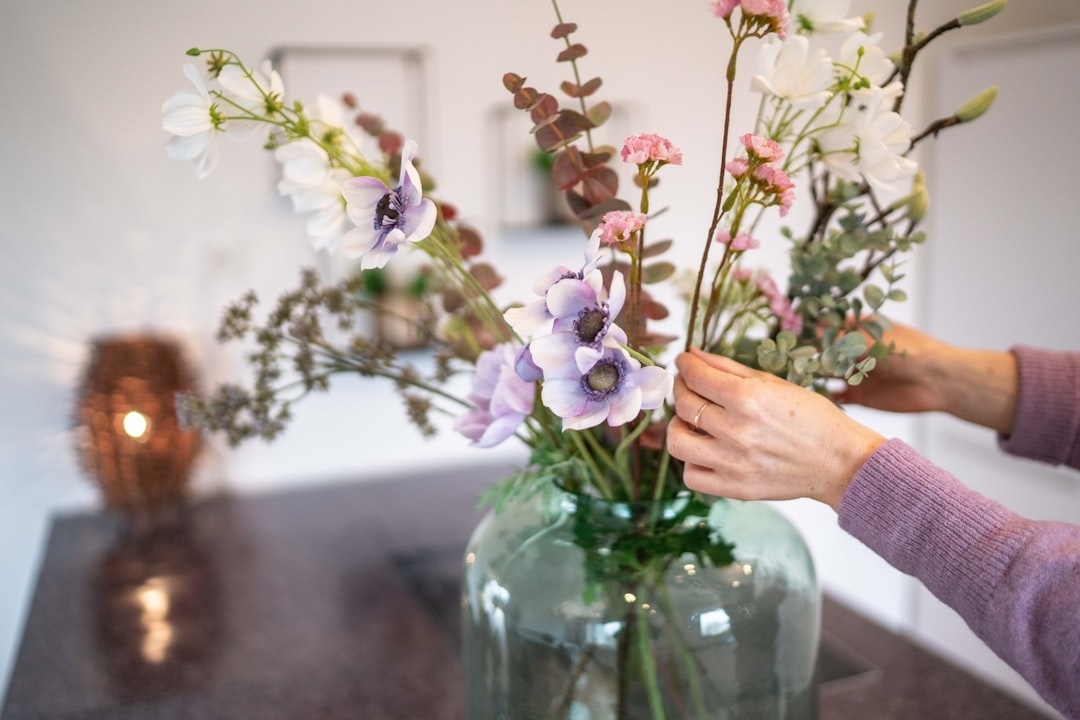
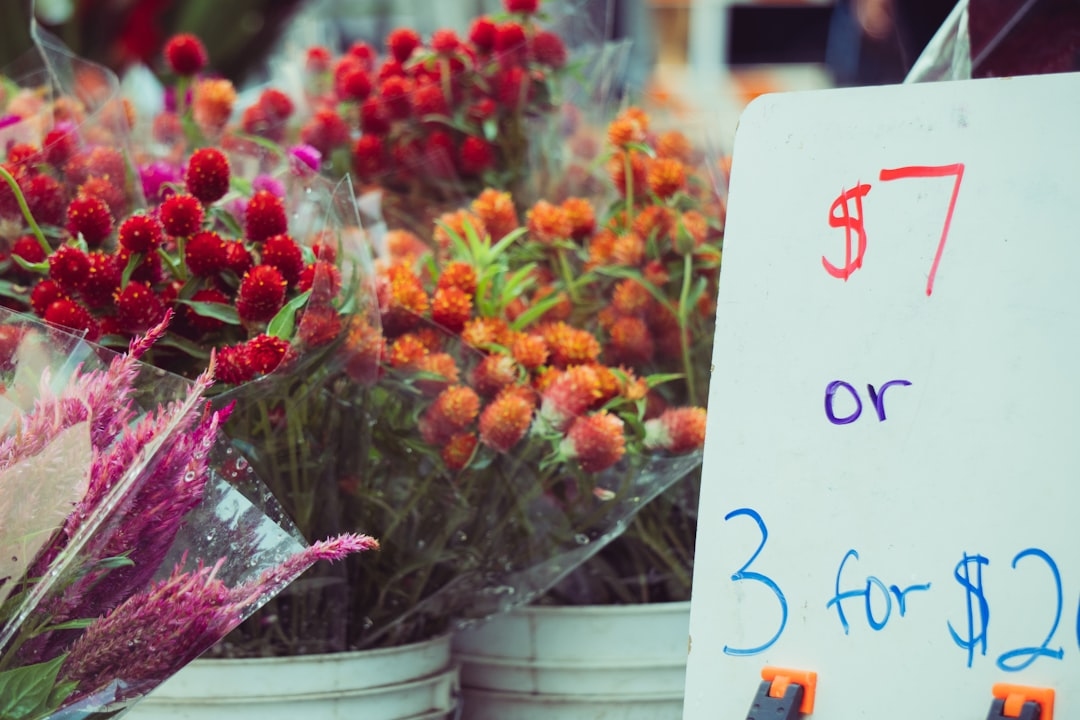
Rather than buying a pre-wrapped bouquet at $18–$25, pick three individual bunches at $8–$10 each and arrange them yourself. You’ll get more stems, more variety, and more control over what goes into your vase. For a small apartment table, five stems of one variety and three stems of a complementary color is all you need.
Whole Foods Flower Cost: Is It Worth It?
The honest answer is: usually yes, with caveats. You’re paying a modest premium over discount grocery stores, but the quality gap is real. Stem freshness, variety selection, and in-store handling at Whole Foods consistently outperform most conventional supermarkets.
For a small-space lifestyle, Whole Foods flowers hit a practical sweet spot. A $12–$18 weekly or biweekly flower budget keeps your apartment feeling alive and considered without requiring a florist’s invoice. The key is shopping smart — timing your visits, buying tight buds, and caring for your stems properly at home.
Frequently Asked Questions About Whole Foods Flower Prices
How much does a bouquet at Whole Foods cost?
Most pre-wrapped Whole Foods bouquets range from $10 to $30. Small bunches of 5–8 stems typically cost $8–$15, while larger mixed arrangements run $18–$30. Premium holiday bouquets can reach $40–$60.
Does Whole Foods sell single stem flowers?
Yes. Single stems like roses, sunflowers, and lisianthus are usually available for $2–$5 per stem, depending on the variety and location.
Do Amazon Prime members get a discount on Whole Foods flowers?
Prime members receive approximately 10% off eligible Whole Foods items, including select floral products. Look for yellow Prime deal tags on bouquets and bunches in the floral section.
When are Whole Foods flowers cheapest?
Prices are most competitive in March, July, and October — off-peak months with good seasonal supply. Avoid shopping the week of Valentine’s Day and Mother’s Day, when prices rise 40–80% on popular varieties like roses.
How long do Whole Foods flowers last?
With proper care — fresh water, trimmed stems, flower food, and cool placement away from fruit — most Whole Foods bouquets last 5–10 days. Tight buds at purchase and temperature-controlled display cases contribute to their above-average vase life compared to many grocery competitors.
Your next move: head to Whole Foods this week on a delivery day, skip the pre-wrapped display bouquet, and build your own three-bunch arrangement for under $25. Put it somewhere you’ll actually see it — on a nightstand, a bathroom counter, or next to your coffee maker. Small apartments don’t need grand gestures. They need the right stems in the right vase, and now you know exactly what that costs.