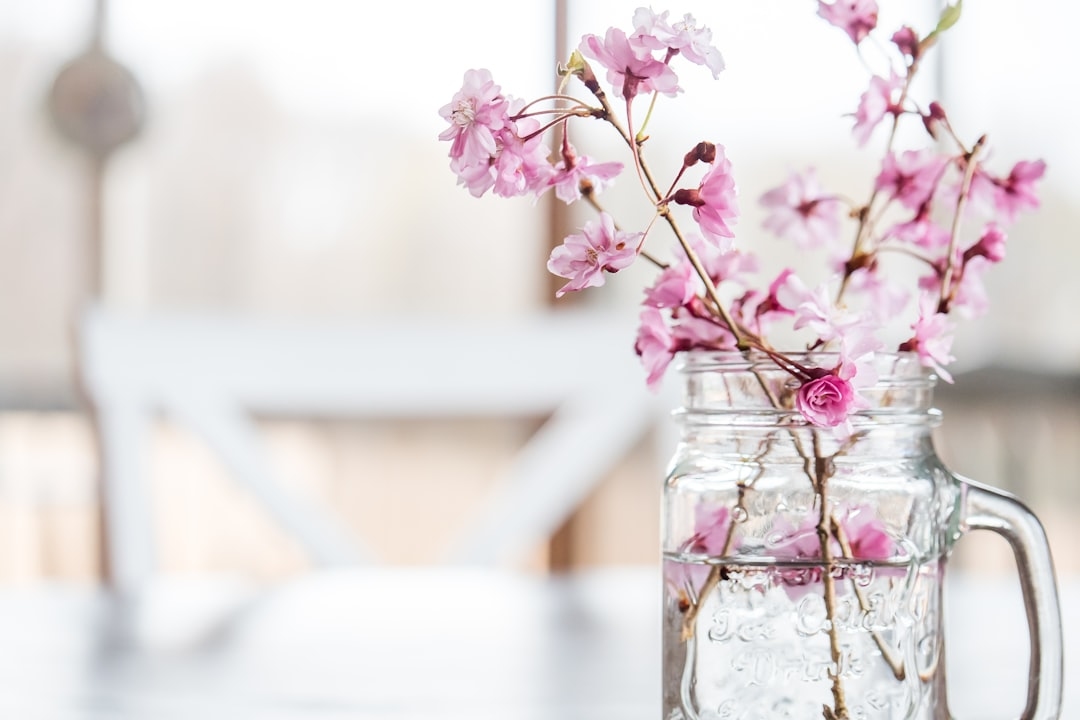
Can You Put Flowers in a Mason Jar Instead of a Vase?
Contents:
- Why Mason Jars Work So Well as Flower Vases
- Choosing the Right Mason Jar Size for Your Flowers
- Pint Jars (16 oz) — Best for Small Stems
- Quart Jars (32 oz) — The All-Purpose Workhorse
- Half-Gallon Jars — For Statement Arrangements
- How to Prepare Your Flowers Mason Jar Vase Step by Step
- Best Flowers for a Mason Jar Arrangement (By Season)
- Tips to Make Your Mason Jar Flowers Last Longer
- Creative Ways to Style Your Flowers Mason Jar Vase
- Frequently Asked Questions
- Can I put any type of flower in a Mason jar?
- How much water should I put in a Mason jar for flowers?
- Do Mason jar flowers need flower food?
- Will flowers stay fresh longer in a Mason jar than a regular vase?
- Can I use a Mason jar with a lid to transport flowers?
You just got home with a fresh bunch of sunflowers from the farmers market. You’re excited. Then you open the cabinet and realize — no vase. Not a single one. What you do have is a collection of Mason jars sitting on the shelf, leftover from last summer’s jam project. Sound familiar? You’re not alone, and you’re not stuck. That Mason jar is about to become your new favorite thing in the kitchen.
Using a flowers mason jar vase setup isn’t a compromise — it’s actually a legit design choice that florists, home decorators, and DIY wedding planners have leaned into for years. Rustic, charming, and endlessly functional, Mason jars might just be better than a traditional vase for a lot of situations.
Why Mason Jars Work So Well as Flower Vases
Traditional vases are designed with one job in mind: hold flowers upright in water. Mason jars do exactly that — and they bring a few extra advantages to the table.
First, the glass is thick and sturdy. A standard Ball or Kerr Mason jar won’t tip over easily, which matters if you have pets or kids nearby. Second, the wide mouth on a quart jar (about 3.25 inches across) makes arranging flowers genuinely easy for beginners — you’re not fighting to thread stems through a narrow neck. Third, they’re cheap. A 12-pack of wide-mouth pint jars runs about $12–$15 at most grocery or hardware stores, meaning you can create multiple arrangements without spending a dime on actual vases.
Finally — and this is underrated — the clear glass lets you see the water level at a glance. No guessing whether it’s time for a refill.
Choosing the Right Mason Jar Size for Your Flowers
Pint Jars (16 oz) — Best for Small Stems
A pint Mason jar stands about 5 inches tall and holds roughly 2 cups of water. It’s ideal for shorter-stemmed flowers like garden roses, ranunculus, zinnias, and grocery store tulips. Think of it as a bud vase for 3–7 stems.
Quart Jars (32 oz) — The All-Purpose Workhorse
This is the size most people picture. At about 7 inches tall, a quart jar can accommodate longer stems — sunflowers, dahlias, lisianthus, snapdragons. You can fit a full grocery store bouquet (usually 10–15 stems) in one quart jar comfortably.
Half-Gallon Jars — For Statement Arrangements
If you’re working with tall flowers like gladiolus or delphinium (which can reach 3–4 feet), a half-gallon jar gives you the base weight and water volume to keep them stable and hydrated. These are less common but easy to find online or at farm supply stores.
How to Prepare Your Flowers Mason Jar Vase Step by Step
- Clean the jar first. Even a brand-new jar can have residue. Wash it with warm soapy water and rinse thoroughly. Bacteria in a dirty jar is the number one reason flowers die early.
- Fill with cool water — about halfway. For a quart jar, that’s roughly 16 oz. Cool water (around 50–60°F) slows bacterial growth and keeps flowers fresh longer. Avoid warm water unless you’re working with bulb flowers like tulips, which open faster with slightly warmer temps.
- Add flower food if you have it. Those little packets that come with grocery store bouquets? Use them. They contain sugar (for energy), acidifier (to help water travel up stems), and a biocide (to kill bacteria). One packet is formulated for about 1 quart of water — perfect for a standard Mason jar.
- Trim stems at a 45-degree angle. Cut about 1 inch off the bottom of each stem using clean scissors or a floral knife. The angled cut increases the surface area for water uptake. Do this under running water or immediately before placing the stem in the jar — air bubbles block water absorption fast.
- Remove any leaves that would sit below the waterline. Submerged foliage rots within 24 hours and clouds the water with bacteria. Strip them off cleanly.
- Arrange and place. Start with your tallest or focal flowers first, then fill in with smaller blooms and greenery. Place the jar somewhere out of direct sunlight and away from fruit bowls — ethylene gas from ripening fruit shortens flower life significantly.
Best Flowers for a Mason Jar Arrangement (By Season)
Matching your flowers to the season isn’t just about aesthetics — it’s about availability and cost. Seasonal flowers are fresher, cheaper, and easier to find at local markets.
- Spring (March–May): Tulips, daffodils, hyacinths, ranunculus, peonies (late May). Tulips look stunning in a single-variety pint jar — try 7 stems in one color.
- Summer (June–August): Sunflowers, zinnias, dahlias, black-eyed Susans, lavender. A quart jar with mixed zinnias from a farmers market is one of the easiest and most cheerful arrangements you can make.
- Fall (September–November): Marigolds, chrysanthemums, amaranth, ornamental kale. Deep oranges and burgundies look especially warm against the clear glass of a Mason jar.
- Winter (December–February): Amaryllis, paperwhites, evergreen branches, dried flowers. A single amaryllis stem in a quart jar with some pine sprigs is simple, dramatic, and lasts 2–3 weeks.
Tips to Make Your Mason Jar Flowers Last Longer
Most cut flowers will last 5–7 days with basic care. These steps can push that to 10–14 days in many cases.
- Change the water every 2 days. Don’t just top it off — dump it out, rinse the jar, and refill with fresh cool water. This is the single highest-impact habit for flower longevity.
- Re-trim stems every time you change the water. A quick snip of even a quarter-inch keeps the uptake channel open.
- Keep them away from heat sources. A sunny windowsill looks lovely but wilts flowers fast. A spot with bright indirect light is ideal.
- Try the penny trick carefully. Some people add a copper penny to the water as a natural antimicrobial agent. It has some science behind it, but flower food is more effective. Use it as a supplement, not a replacement.
- Refrigerate overnight if possible. Florists store flowers at 34–38°F. Putting your Mason jar in the fridge overnight (away from fruit) can meaningfully extend freshness, especially during hot summer months.
Creative Ways to Style Your Flowers Mason Jar Vase
A plain Mason jar is already attractive, but a few simple additions take it further without much effort or money.
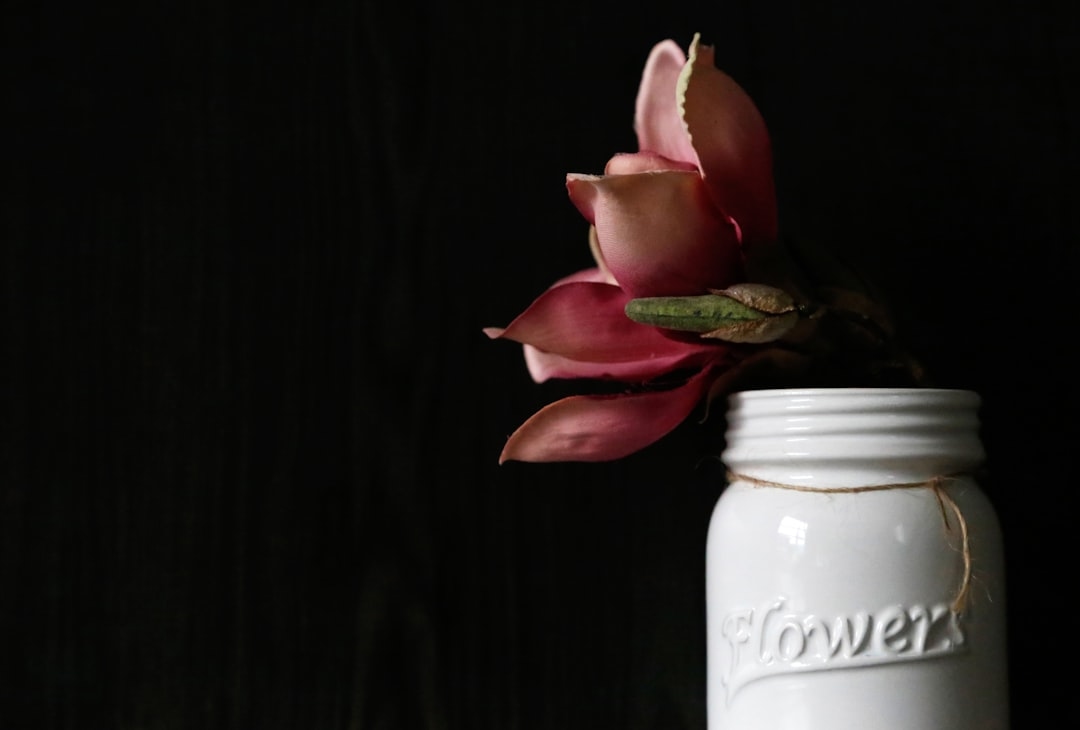
- Wrap with twine or ribbon. A loop of natural jute twine tied around the neck of a quart jar takes about 30 seconds and looks intentional.
- Group jars at varying heights. Set one jar directly on the table, one on a stack of two or three hardcover books. The variation in height makes the overall display feel dynamic.
- Add a chalkboard label. Chalkboard labels (about $5 for a pack) let you write the flower name, the date you arranged them, or a little note. Charming for gifts.
- Use colored water with food dye. A few drops of blue or green food coloring in the water adds a visual pop, especially with white flowers like carnations or daisies.
- Line the inside with large leaves. Press a few large hosta or tropical leaves against the inside wall of the jar before adding flowers. It hides the stems and adds a lush, editorial look.
Frequently Asked Questions
Can I put any type of flower in a Mason jar?
Yes, with one exception: very tall or top-heavy flowers like gladiolus over 36 inches may be unstable in a standard jar. For those, use a half-gallon jar or place the jar inside a heavier outer container for ballast. All other common cut flowers — roses, sunflowers, tulips, daisies, lilies, dahlias — work perfectly.
How much water should I put in a Mason jar for flowers?
Fill it roughly halfway. For a quart jar, that’s about 16 oz of water. You want the stem ends submerged by at least 2–3 inches. Overfilling causes submerged foliage to rot faster; underfilling means the stems can’t drink adequately.
Do Mason jar flowers need flower food?
Not strictly, but it helps a lot. Flower food can extend vase life by 30–50% compared to plain water. If you don’t have a packet, a DIY version works: mix 1 teaspoon of sugar, 1 teaspoon of white vinegar, and ¼ teaspoon of bleach per quart of water. The sugar feeds the flowers, the vinegar lowers pH for better uptake, and the bleach controls bacteria.
Will flowers stay fresh longer in a Mason jar than a regular vase?
The container itself doesn’t affect freshness much — it’s the water quality, stem care, and environment that matter. A clean Mason jar with fresh water and trimmed stems will perform just as well as any glass vase. Ceramic or opaque vases may slightly reduce algae growth since light can’t penetrate, but that’s a minor factor compared to changing water regularly.
Can I use a Mason jar with a lid to transport flowers?
Yes — this is one of the best uses. Fill the jar halfway with water, arrange your flowers, then loosely set (don’t seal) the lid on top to protect blooms during transport. The wide-mouth lid acts as a gentle collar. For driving, place the jar in a cup holder or wedge it between bags in the back seat. Florists use this trick constantly for delivering small arrangements.
Ready to try it? Grab a quart Mason jar, pick up a mixed bouquet the next time you’re at the grocery store (most run $8–$15), and give it a go this weekend. Start simple — five stems, fresh water, a 45-degree cut — and you’ll have a genuinely beautiful arrangement on your table by the time the afternoon is over. From there, the only direction is more flowers.