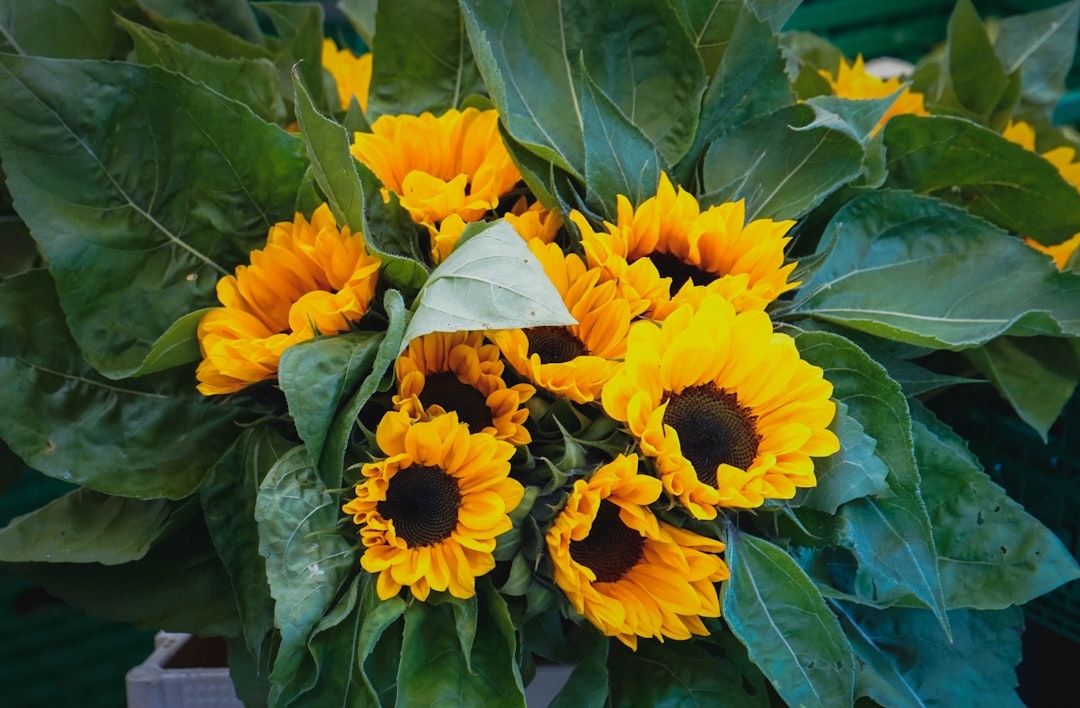
How Much Do a Dozen Sunflowers Cost?
Contents:
- What Affects the Dozen Sunflowers Cost?
- Sunflower Prices by Retailer Type
- Grocery Stores and Warehouse Clubs
- Local and Boutique Florists
- Online Flower Delivery Services
- Farmers Markets and Farm Stands
- Sunflowers vs. Roses: A Common Comparison
- Practical Tips for Getting the Best Value
- Buy in Bulk for Events
- Time Your Purchase Strategically
- Extend Vase Life Naturally
- Mix Varieties to Reduce Cost
- Frequently Asked Questions
- How much does a dozen sunflowers cost at a grocery store?
- Are sunflowers cheaper than other flowers for events?
- When are sunflowers cheapest to buy?
- How many sunflowers do I need for a centerpiece?
- Can I buy sunflowers in bulk directly from a farm?
- Plan Your Purchase with Confidence
In 17th-century Europe, sunflowers were so exotic and coveted that Dutch merchants traded them like luxury goods — a single plant could fetch the equivalent of weeks of wages. Vincent van Gogh was so transfixed by them he painted the same bouquet seven times. Today, a dozen sunflowers cost a fraction of what those early admirers paid, yet they still carry that same magnetic, joyful energy that has captivated people for centuries.
If you’re planning a wedding, birthday party, graduation celebration, or just want to brighten up a venue, sunflowers are one of the most cost-effective statement flowers you can buy. But “cost-effective” is relative — prices swing significantly based on where, when, and how you purchase them. Here’s exactly what to expect.
What Affects the Dozen Sunflowers Cost?
Sunflower pricing isn’t random. Several concrete factors determine what you’ll pay at the register:
- Stem length: Standard grocery-store sunflowers typically have 18–22 inch stems. Florist-grade stems run 24–30 inches and cost more — longer stems require more growing time and careful handling.
- Variety: Classic Helianthus annuus (the big yellow single-petal variety) is the most affordable. Specialty cultivars like Teddy Bear (fluffy, double-petaled), Lemon Queen, or ProCut Orange fetch a 20–40% premium.
- Season: Peak sunflower season in the US runs July through September. Off-season blooms (November through April) are often imported from Colombia or Ecuador, adding $5–$10 per dozen to your cost.
- Freshness and conditioning: A reputable florist conditions stems in hydration solutions for 24 hours before sale, which extends vase life and justifies a higher price point.
- Arrangement vs. loose stems: A wrapped bouquet with filler greenery (eucalyptus, leather leaf, or solidago) costs more than bare stems — sometimes double.
Sunflower Prices by Retailer Type
Grocery Stores and Warehouse Clubs
This is where budget-conscious buyers win. Trader Joe’s consistently offers sunflower bunches (usually 10 stems) for around $8–$12. Costco sells wrapped bouquets of 30 stems for approximately $18–$22 — that’s under $1 per stem. Whole Foods and Kroger typically land between $12–$18 per dozen. Quality is solid for casual events, though stem length and vase life may be shorter than florist-sourced blooms.
Local and Boutique Florists
Expect to pay $25–$45 for a dozen sunflowers at an independent florist. What you’re paying for is real: professionally conditioned stems, expert selection at the flower market (often the Dutch auction in Miami or the LA Flower Market), and the option for custom arrangements. For a wedding centerpiece or a styled event, this is often the right call.
“Sunflowers are one of the most underrated event flowers I work with,” says Marcy Delacroix, Certified Floral Designer and owner of Bloom & Branch Studio in Nashville, TN. “A dozen properly conditioned sunflowers in a mason jar arrangement can anchor a 6-foot banquet table. The key is buying stems with the heads still slightly closed — they’ll fully open within 24–48 hours and look spectacular for 5–7 days.”
Online Flower Delivery Services
Services like 1-800-Flowers, Teleflora, and UrbanStems charge $35–$65 for a dozen sunflowers delivered, with shipping adding $10–$20 on top for standard delivery. FiftyFlowers.com, a popular DIY wedding supplier, sells farm-direct sunflowers in bulk — 40 stems for around $65–$80, which dramatically lowers the per-stem cost if you’re ordering for a large event.
Farmers Markets and Farm Stands
In season, local farms are the sweet spot for value and freshness. Expect to pay $10–$18 per dozen, often from fields harvested that same morning. These stems haven’t spent days in refrigerated transit, and supporting local growers keeps money in your community. Check USDA’s Local Food Directories tool at ams.usda.gov to find farms near you.
Sunflowers vs. Roses: A Common Comparison
Many event planners debate between sunflowers and roses for centerpieces. Here’s how the dozen sunflowers cost stacks up:
- Roses (florist-grade): $40–$80 per dozen, depending on variety and color. Red roses at Valentine’s Day can spike to $90–$120.
- Sunflowers: $15–$45 per dozen. Even premium florist sunflowers cost 30–50% less than comparable roses.
Beyond price, sunflowers offer a larger visual footprint per stem — a single 3-inch sunflower head covers roughly 4–5 times the area of a standard rose bloom. For tablescapes and tall arrangements, fewer stems are needed to achieve a full look, which further stretches your budget. The trade-off: roses carry a more formal aesthetic and last slightly longer in a vase (7–10 days vs. 5–7 days for sunflowers).
Practical Tips for Getting the Best Value
Buy in Bulk for Events
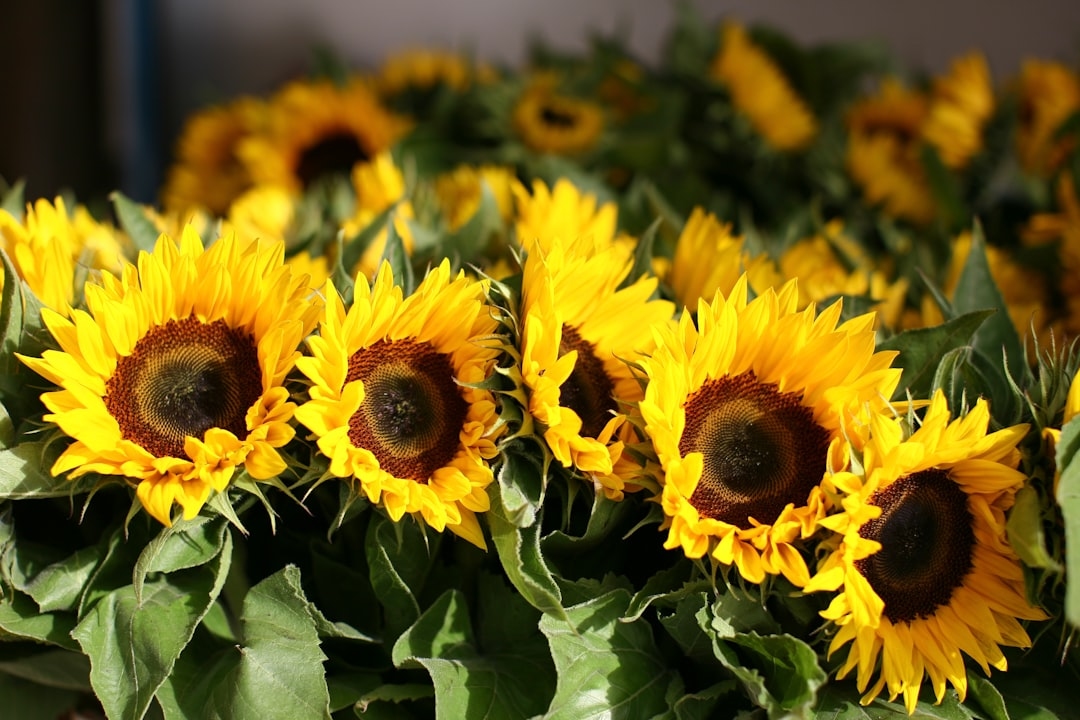
If you need 10 or more dozen, contact a local wholesale flower market directly. In most major US cities (Chicago, Atlanta, Houston, Seattle), wholesalers sell to the public on weekend mornings. Sunflower bunches at wholesale run $8–$14 per 10-stem bunch — a significant savings over retail.
Time Your Purchase Strategically
Order or buy sunflowers 2–3 days before your event, not the morning of. Tightly closed heads at purchase will open to full bloom right when you need them. Buying day-of means you risk receiving over-opened blooms that won’t last through your event.
Extend Vase Life Naturally
Cut stems at a 45-degree angle, remove any leaves below the waterline, and add a teaspoon of sugar plus a few drops of bleach per quart of water. Change the water every other day. A properly cared-for sunflower will stay vibrant for 6–8 days.
Mix Varieties to Reduce Cost
Pair standard sunflowers (cheaper) with one or two specialty stems like Lemon Queen or Red Sun for visual variety without paying full specialty pricing throughout. A dozen mixed sunflower varieties often costs $5–$10 less than an all-specialty bunch.
Frequently Asked Questions
How much does a dozen sunflowers cost at a grocery store?
At most US grocery stores, a dozen sunflowers costs between $10 and $20. Trader Joe’s and Costco are typically the most affordable options, often pricing bunches well under $15.
Are sunflowers cheaper than other flowers for events?
Yes. Sunflowers are among the most affordable large-headed flowers available. They cost 30–50% less per stem than roses and offer a larger visual impact per bloom, making them highly efficient for event decorating.
When are sunflowers cheapest to buy?
Sunflowers are cheapest and freshest during their natural US growing season: July through September. Off-season purchases (especially December through March) typically cost $5–$10 more per dozen due to international import costs.
How many sunflowers do I need for a centerpiece?
A standard round centerpiece in a medium vase typically uses 5–9 stems. For a tall statement arrangement, plan on 10–15 stems. One dozen sunflowers can comfortably create one generous centerpiece or two compact ones.
Can I buy sunflowers in bulk directly from a farm?
Yes. Many US sunflower farms sell direct-to-consumer, especially during harvest season. Online platforms like FiftyFlowers.com and Mayesh Wholesale also offer farm-direct bulk pricing starting at around 40 stems for $65–$80, ideal for weddings and large events.
Plan Your Purchase with Confidence
Sunflowers reward planners who think a few days ahead. Lock in your source now — whether that’s calling a local florist for a bulk quote, bookmarking a farmers market for mid-summer pickup, or placing a wholesale order online. The dozen sunflowers cost you’ll land on depends entirely on your timing, quantity, and source. Armed with real numbers, you’re not guessing anymore. You’re shopping smart — and your event will absolutely show it.