
How to Keep a Bouquet Fresh While Traveling (Without Losing a Single Petal)
Contents:
- Why Flowers Struggle in Transit
- How to Prep Your Bouquet Before You Leave
- Hydrate Thoroughly the Night Before
- Build a Travel Water Source
- Temperature and Humidity: The Numbers That Matter
- Packing Methods by Transportation Type
- Car Travel
- Air Travel
- Train and Bus
- Regional Considerations: Climate Makes a Difference
- Expert Perspective
- What to Do When You Arrive
- Frequently Asked Questions
- How long can a bouquet survive without water while traveling?
- Can you take a bouquet on an airplane?
- What flowers travel best?
- Does refrigerating flowers before a trip help?
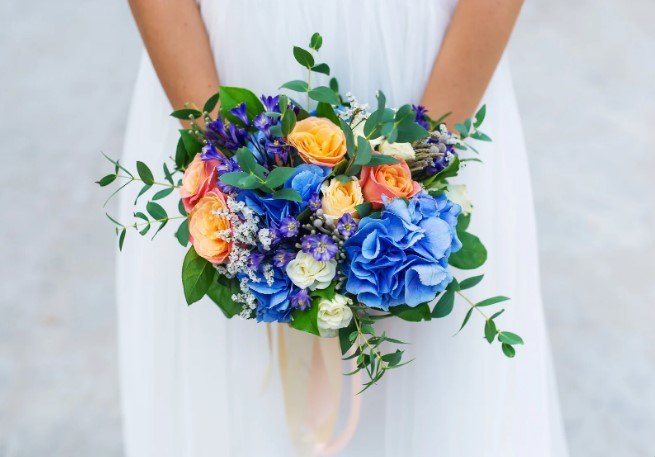
- How do you keep a bridal bouquet fresh on a wedding day?
- Plan Your Flowers Around the Journey
You’ve spent $80 on a hand-tied arrangement of garden roses, ranunculus, and eucalyptus—and now you’re standing at the airport gate wondering if it’ll survive the next four hours. Keeping a bouquet fresh while traveling is one of those problems that sounds simple until you’re watching your peonies wilt in real time. With the right preparation, though, flowers can travel surprisingly well—whether you’re heading to a wedding two states away or delivering a birthday arrangement across town.
Why Flowers Struggle in Transit
Cut flowers are essentially in survival mode from the moment they leave the stem. They need water, humidity, and moderate temperatures to stay upright and vibrant. Travel disrupts all three. Car interiors can reach 130°F on a summer day, airplane cabins drop humidity to around 10–20%, and even a 30-minute drive without water can cause visible wilting in delicate blooms like sweet peas or anemones.
The real enemy isn’t distance—it’s dehydration combined with heat. Once a stem air-locks (meaning an air bubble forms in the cut end and blocks water uptake), the flower can’t recover even if you put it back in water. That’s why preparation before you leave matters far more than anything you do mid-journey.
How to Prep Your Bouquet Before You Leave
Hydrate Thoroughly the Night Before
Give your bouquet a full 8–12 hours in fresh water before travel. Add a packet of commercial flower food—these typically contain sucrose for energy, acidifier to lower pH, and a biocide to prevent bacterial growth. If you don’t have flower food, mix 1 teaspoon of sugar, 1 teaspoon of white vinegar, and a few drops of bleach into a quart of water. It’s not a perfect substitute, but it works in a pinch.
Recut the stems at a 45-degree angle just before you pack them. This reopens the water uptake channels and removes any dried or calloused tissue at the base. Use sharp, clean scissors or a floral knife—kitchen shears tend to crush stems rather than cut cleanly.
Build a Travel Water Source
Florists use wet cotton or floral foam wrapped around the stems for short trips. For longer travel, a water tube (also called a floral water pick) on each individual stem is even more reliable. You can buy a pack of 100 for under $10 on Amazon. Soak a paper towel thoroughly, wrap it around the base of the stems, then cover the whole bundle tightly in plastic wrap or a zip-lock bag to seal in moisture. Secure it with a rubber band.
For larger arrangements, a leak-proof travel vase or a sealed container with about 2 inches of water works well in the back seat of a car. Look for vessels with a locking lid, or improvise with a wide-mouth thermos.
Temperature and Humidity: The Numbers That Matter
Most cut flowers do best between 34°F and 50°F—close to refrigerator temperature. For travel, you’re unlikely to hit that range, but keeping them below 70°F makes a real difference. Park in the shade, run the car’s AC before loading flowers, and never leave arrangements in a hot trunk.
Humidity is trickier in planes and hotels. A light mist from a small spray bottle every hour or two helps slow moisture loss through the petals. Don’t soak them—surface water can encourage botrytis (gray mold), especially on roses and dahlias. A fine mist is enough.
Professional floral designers shipping arrangements cross-country often wrap individual blooms in tissue paper before boxing them. The tissue buffers micro-vibrations that cause petals to bruise during transit—something most DIY travelers skip entirely. One layer around each flower head, loosely secured, can extend presentation life by 12–24 hours.
Packing Methods by Transportation Type
Car Travel
The back seat beats the trunk every time. Set the bouquet upright in a cup holder or wedge it between bags so it can’t tip. Keep the AC running and avoid direct sunlight through windows. For drives over two hours, bring a small cooler—not to freeze the flowers, but to maintain a stable, cool environment. Place the wrapped stem end inside the cooler and let the blooms sit at cooler-ambient temperature.
Air Travel
TSA allows fresh flowers in both carry-on and checked bags, but wet arrangements can be flagged during screening. Your best bet is a carry-on with the stems wrapped in wet paper towel and sealed in plastic—just be prepared to explain the moisture to a TSA agent. Checked flower arrangements often arrive crushed or dried out, so carry-on is strongly preferred for anything you care about.
Use a sturdy box sized to fit under the seat or in the overhead bin. Line it with tissue, lay the bouquet flat or at a slight angle, and secure it so it doesn’t slide. A small reusable ice pack (frozen solid, not partially melted—TSA requires this) tucked near the stem end helps maintain temperature.
Train and Bus
These modes offer more climate stability than planes but less control than cars. Keep the bouquet in your lap or in a bag where you can monitor it. The main risk here is physical jostling, so firm packing matters more than temperature management.
Regional Considerations: Climate Makes a Difference
Where you’re traveling shapes how aggressive your preservation strategy needs to be. In the Northeast, cool spring and fall temperatures mean outdoor travel with windows cracked can actually help. Summer humidity, though, accelerates bacterial growth in the water supply, so change water more frequently.
In the South—particularly Florida, Louisiana, and Texas—heat and humidity are the double threat. Flowers wilt faster and mold faster. Ice packs, refrigeration stops, and shorter unboxed travel windows are non-negotiable from May through September.
On the West Coast, dry heat in California’s Central Valley and desert regions like Arizona and Nevada desiccates petals quickly. Misting more frequently and keeping blooms out of direct sun is essential. Coastal areas like San Francisco are more forgiving—the natural fog and cooler air act as a built-in humidity buffer.
Expert Perspective
“Most people underestimate how fast a stem dries out once it’s been cut,” says Elena Marsh, Certified Floral Designer (CFD) and owner of Marsh & Green Studio in Asheville, NC. “I always tell clients: treat your bouquet like a bouquet of cold brew—keep it cold, keep it sealed, and don’t leave it in a hot car, ever. A wrapped stem in wet cotton will outlast an unwrapped one in a vase by hours, easily.”
Marsh also recommends skipping overly structured bouquets for travel—tightly wired arrangements hold their shape but restrict water movement through stems. Looser hand-tied styles with rubber bands travel better and recover more easily once they reach their destination.
What to Do When You Arrive
As soon as you reach your destination, recut the stems (another 45-degree cut, removing about half an inch), place them in clean water with fresh flower food, and let them rest in a cool room away from direct sunlight, heating vents, and fruit bowls. Yes, fruit—bananas and apples emit ethylene gas that accelerates petal drop in roses, lilies, and carnations.
Give the bouquet 2–4 hours to rehydrate before displaying it or photographing it. Most flowers will bounce back significantly after a good drink in a stable environment.
Frequently Asked Questions
How long can a bouquet survive without water while traveling?
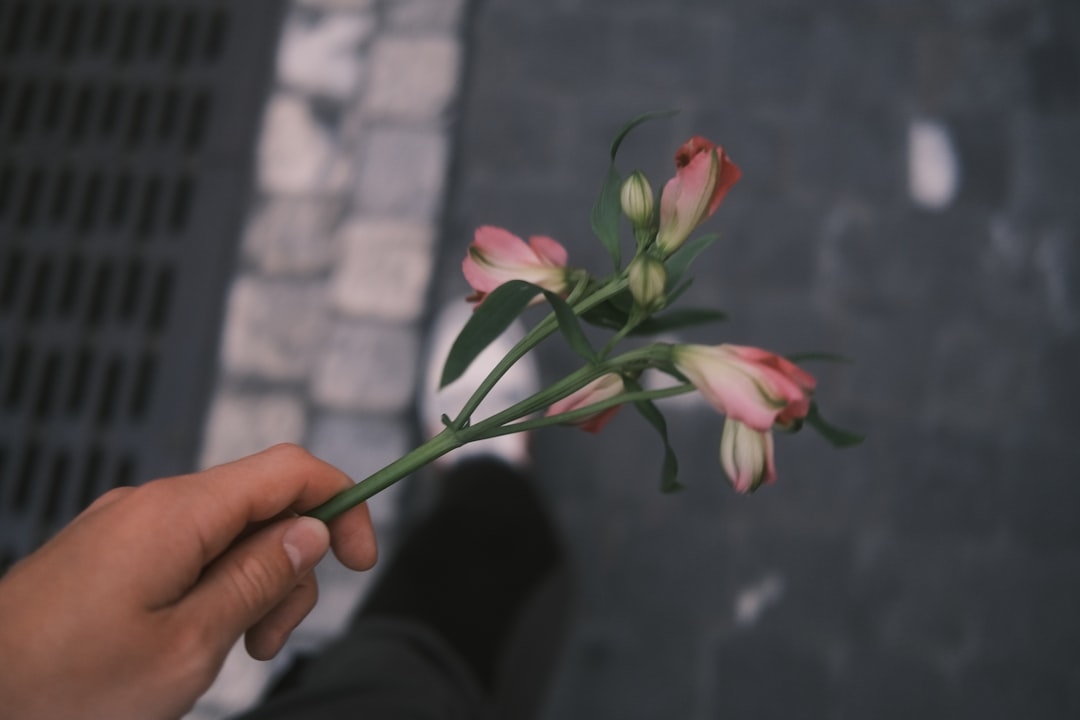
Most cut flowers can last 2–4 hours without water if the stems are sealed with wet cotton or water tubes. Delicate flowers like sweet peas or gardenias may show stress within 1–2 hours, while hardier stems like chrysanthemums or alstroemerias can go 6+ hours with minimal decline.
Can you take a bouquet on an airplane?
Yes. Fresh flowers are permitted in both carry-on and checked baggage by TSA. For carry-on, wrap wet stems in sealed plastic to avoid issues at security. Checked flower arrangements are risky due to handling and temperature fluctuations—carry-on is always the better option for anything fragile or valuable.
What flowers travel best?
The most travel-hardy cut flowers include chrysanthemums, alstroemerias, carnations, lisianthus, and tropical varieties like anthuriums and birds of paradise. Avoid gardenia, lily of the valley, and sweet peas for long-distance travel—they’re beautiful but fragile under stress.
Does refrigerating flowers before a trip help?
Yes, significantly. A full 8–12 hours in the refrigerator (not the freezer) before travel plumps the cells with water and slows metabolism. Keep flowers away from produce in the fridge—the ethylene gas from fruits accelerates aging. A floral cooler set to 38°F is ideal; a household refrigerator at 35–40°F works nearly as well.
How do you keep a bridal bouquet fresh on a wedding day?
Keep the bouquet in water or with sealed wet stems until the last possible moment before photos or the ceremony. Assign a bridesmaid to hold it between events and mist lightly every 30–60 minutes. A small cooler in the bridal suite is worth it—even an hour at 55°F buys noticeably longer bloom life compared to sitting at room temperature.
Plan Your Flowers Around the Journey
The best outcomes come from planning backward: know your travel time, your climate conditions, and the fragility of your specific flowers before you decide how to pack. Talk to your florist about the varieties you’re ordering and ask directly which ones travel poorly in your region’s summer heat. A good florist will steer you toward sturdier options without sacrificing the look you want. Order 10–15% more stems than you need—it’s cheap insurance against transit losses. The difference between a bouquet that arrives looking like it was just cut and one that looks like it spent the day in a hot car is almost entirely in the prep work you do before you ever leave the driveway.